10g
by Azarius
Blue Lotus Shredded is a 20g pouch of dried, pre-shredded Nymphaea caerulea — the sacred Egyptian water lily traditionally brewed as a calming tea or steeped in wine. Already cut into small, even pieces, it's ready to measure and brew without any prep work. If you've been curious about this ancient botanical, this is the simplest way to start.
Nymphaea caerulea has been used for thousands of years across Egyptian and Thai cultures, primarily as a ceremonial and calming botanical. The dried flower contains two key alkaloids — apomorphine and nuciferine — which are thought to be responsible for its reputation as a gentle relaxant. According to traditional use across multiple cultures, blue lotus was brewed into teas and infused into wine to promote a sense of calm and ease into restful evenings.
The shredded format makes a real difference compared to whole flowers. Whole dried blue lotus looks gorgeous in a jar, no argument there, but when you're actually making tea, you end up tearing petals apart anyway. Pre-shredded material has more surface area exposed to hot water, which means a more consistent extraction every time you brew. You get a more even flavour and a more reliable cup — less guesswork, less waste.
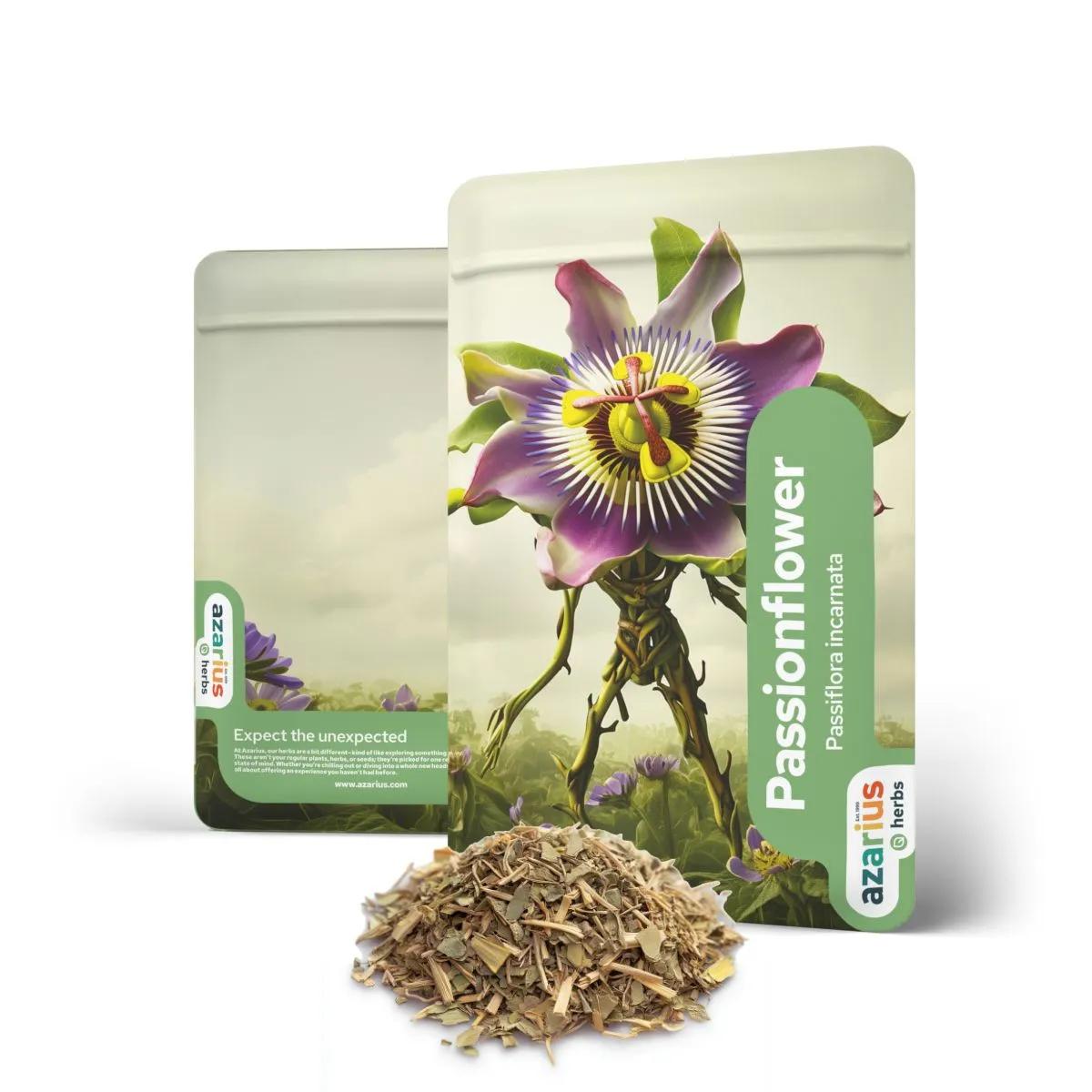
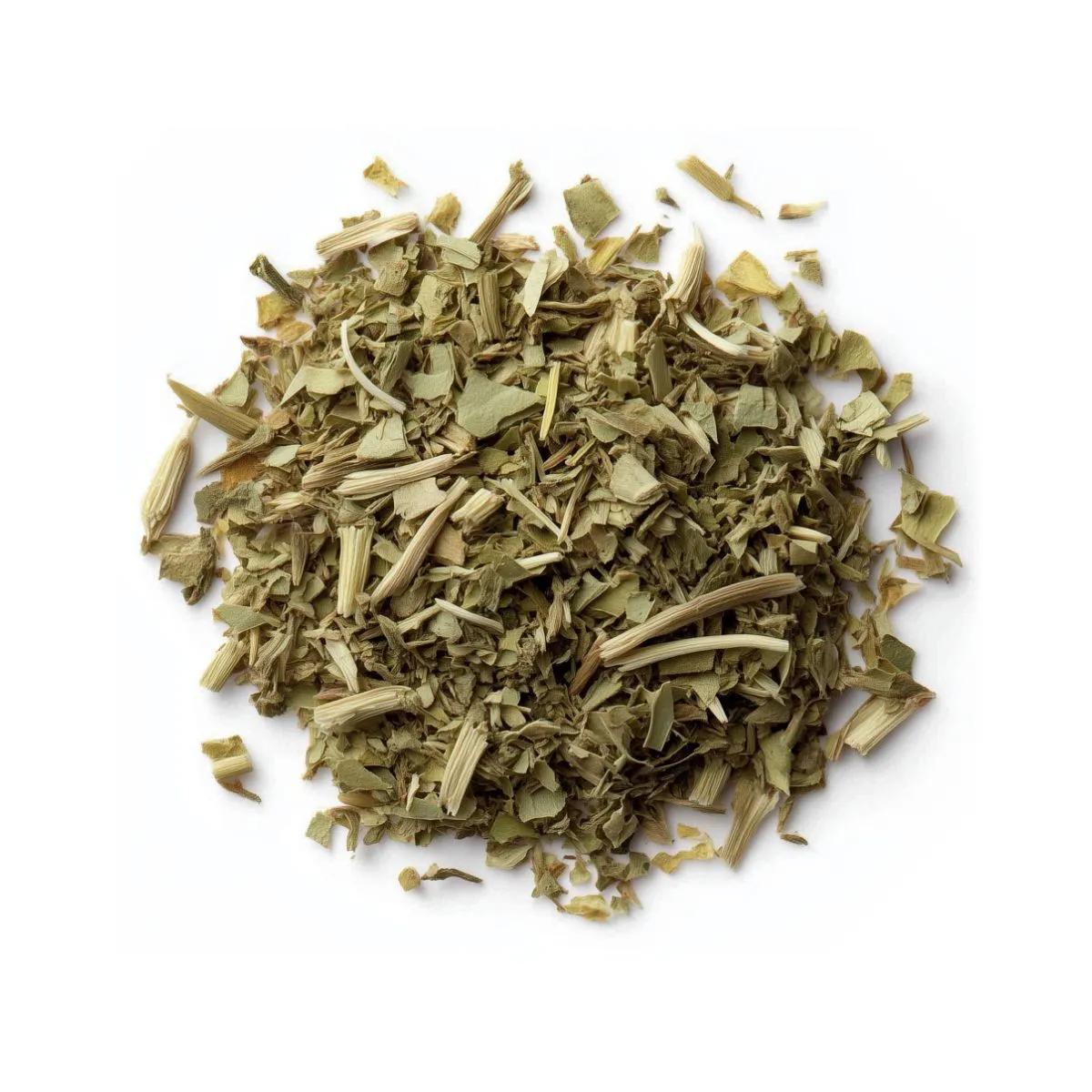
Open the bag and you'll catch a sweet, floral scent — somewhere between dried chamomile and a faintly honeyed hay. It's not overpowering, but it's distinctive. The tea itself brews into a pale golden-amber liquid with a mild, slightly earthy taste and a gentle floral finish. On its own, it's pleasant but subtle. Most customers we've spoken to over the years add a spoonful of honey or a squeeze of lemon to round it out. Some blend it with other calming herbs like damiana or passionflower for a fuller-bodied evening brew.
Honest limitation: the taste is mild. If you're expecting something bold and punchy like a strong chamomile or valerian root tea, blue lotus is more of a whisper than a shout. That's actually its strength for evening sipping — it won't overpower anything you blend it with, and it won't leave a bitter aftertaste.
Blue lotus appears in Egyptian art dating back over 3,000 years, depicted on tomb walls and temple carvings. According to historical accounts referenced by Maya Herbs, the flower was closely associated with the sun god Ra and was used in religious ceremonies, often steeped in wine for ritual consumption. In Thailand, Nymphaea caerulea has a separate but parallel history of traditional use, primarily as a tea. Ayurvedic practitioners also documented the flower, incorporating it into preparations aimed at promoting calmness.
The two primary alkaloids — apomorphine (a dopamine receptor agonist) and nuciferine (associated with dopamine receptor modulation) — give the plant its pharmacological profile. Research into these compounds is still limited compared to more widely studied botanicals, and we'd be the first to say the science hasn't fully caught up with the tradition yet. What we can say is that customers have been coming back for this one consistently for over two decades.
| Specification | Detail |
|---|---|
| Botanical Name | Nymphaea caerulea |
| Common Names | Blue Lotus, Blue Egyptian Water Lily, Sacred Blue Lily |
| Form | Shredded dried petals and stamens |
| Net Weight | 20g |
| Key Alkaloids | Apomorphine, Nuciferine |
| Traditional Preparation | Tea infusion or wine infusion |
| Suggested Amount per Cup | 1.5 – 3g (clinical data limited; based on traditional use) |
| Aroma | Sweet, floral, lightly honeyed |
| Taste | Mild, earthy with gentle floral finish |
| Storage | Cool, dry, away from direct sunlight |
If you're browsing the calming herbs section, you'll notice a few options that overlap in traditional use. Here's how blue lotus sits relative to two popular alternatives.
| Feature | Blue Lotus Shredded (20g) | Damiana Leaves | Passionflower (Passiflora incarnata) |
|---|---|---|---|
| Primary Traditional Use | Calming, evening relaxation | Mood lift, mild stimulant at low doses | Sleep support, calming |
| Flavour Profile | Mild floral, slightly earthy | Herbaceous, slightly bitter | Grassy, mildly sweet |
| Steeping Time | 10-15 minutes | 5-10 minutes | 10-15 minutes |
| Key Alkaloids | Apomorphine, Nuciferine | Damianin, Arbutin | Chrysin, Harmine |
| Best For | Gentle evening wind-down | Daytime mood support | Pre-sleep routine |
| Body of Research | Limited — mostly traditional | Moderate | Stronger — multiple clinical trials |
We'd say blue lotus is the best option for someone who wants a subtle, pleasant evening ritual without the more pronounced sedative character of passionflower. If you want something with a bit more scientific backing for sleep specifically, passionflower has a stronger evidence base. If you want something more uplifting for daytime, damiana is worth a look. Blending blue lotus with either of those is common and works well — the mild floral flavour doesn't clash with anything.
Complete your evening brew setup: Damiana Leaves pair brilliantly with blue lotus for a more rounded herbal blend — the slight bitterness of damiana balances the floral sweetness nicely. If you're after a dedicated tea infuser that handles loose botanicals without letting fine shreds through, the stainless steel tea strainer is worth grabbing alongside.
There's a specific moment in the evening — you've eaten, you're done with screens, and you want something warm in your hands that isn't another coffee. That's where blue lotus fits. It's not dramatic, it's not going to knock you sideways. It's a gentle, aromatic cup that signals to your brain: the day is over.
We've carried blue lotus since the early days of the shop, and it's one of those products that quietly sells week after week without needing a spotlight. The people who buy it tend to reorder. At 20g, you're looking at roughly 7 to 13 cups depending on how strong you brew — enough to figure out whether it's your thing before committing to a larger amount.
The shredded format specifically saves you time and mess. Whole flowers look beautiful but they're awkward to portion and slow to extract. Shredded material brews faster, more evenly, and fits neatly into any standard infuser. It's the practical choice.
Blue lotus contains apomorphine, a compound that interacts with dopamine receptors, and nuciferine, which has been associated with sedative-like properties in preliminary research. Because of this pharmacological profile, avoid combining blue lotus with alcohol, sedatives, or other CNS depressants. If you're on medication — particularly antidepressants, dopaminergic drugs, or blood pressure medication — speak with your doctor before use. Pregnant or breastfeeding individuals should avoid blue lotus entirely, as no safety data exists for these populations.
One thing we always mention: this is a botanical with limited clinical research. Traditional use stretching back millennia is meaningful context, but it's not the same as a controlled clinical trial. We're honest about that. Use it mindfully, start with a lower amount, and pay attention to how your body responds.
Traditional preparations typically use 1.5 to 3g per cup. Start at the lower end — about a level teaspoon — and adjust upward based on your preference. Steep for a full 10-15 minutes to get a proper extraction from the shredded material.
Some people do use dried blue lotus in herbal smoking blends. The shredded format works for this, though the flavour is milder when smoked than when brewed. Tea remains the most traditional preparation method and gives you more control over the amount you consume.
Mild, slightly earthy, with a gentle floral finish. It's not bitter or overpowering. Most people add honey or lemon. On its own, it's pleasant but subtle — think of it as a delicate herbal tea rather than something bold like chai or rooibos.
Yes, and many customers do. Damiana, passionflower, and chamomile are popular blending partners. Blue lotus has such a mild flavour that it plays well with almost any herbal tea without dominating the blend. Avoid combining with anything sedative if you're new to it.
Keep it in the sealed pouch or transfer to an airtight container. Store in a cool, dry spot away from direct sunlight. Properly stored, dried blue lotus retains its aroma and alkaloid content for 12 months or more.
At 1.5-3g per cup, 20g gives you roughly 7 to 13 cups. That's plenty to experiment with steeping times, blending, and finding your preferred strength. If you find you like it, larger quantities are more economical per gram.
Blue lotus (Nymphaea caerulea) is an Egyptian water lily. Sacred lotus (Nelumbo nucifera) is the Asian lotus used in Ayurvedic and Buddhist traditions. They're different species with different alkaloid profiles. This product is Nymphaea caerulea — the Egyptian blue lotus.
Last updated: April 2026
Medical disclaimer. This content is for informational purposes only and does not constitute medical advice. Consult a qualified healthcare provider before use of any substance.