
Lion's Mane (Hericium erinaceus) Extract
Lion's Mane
by Holy Flavour
Lion's Mane Extract: Concentrated Cognitive Support from Hericium Erinaceus
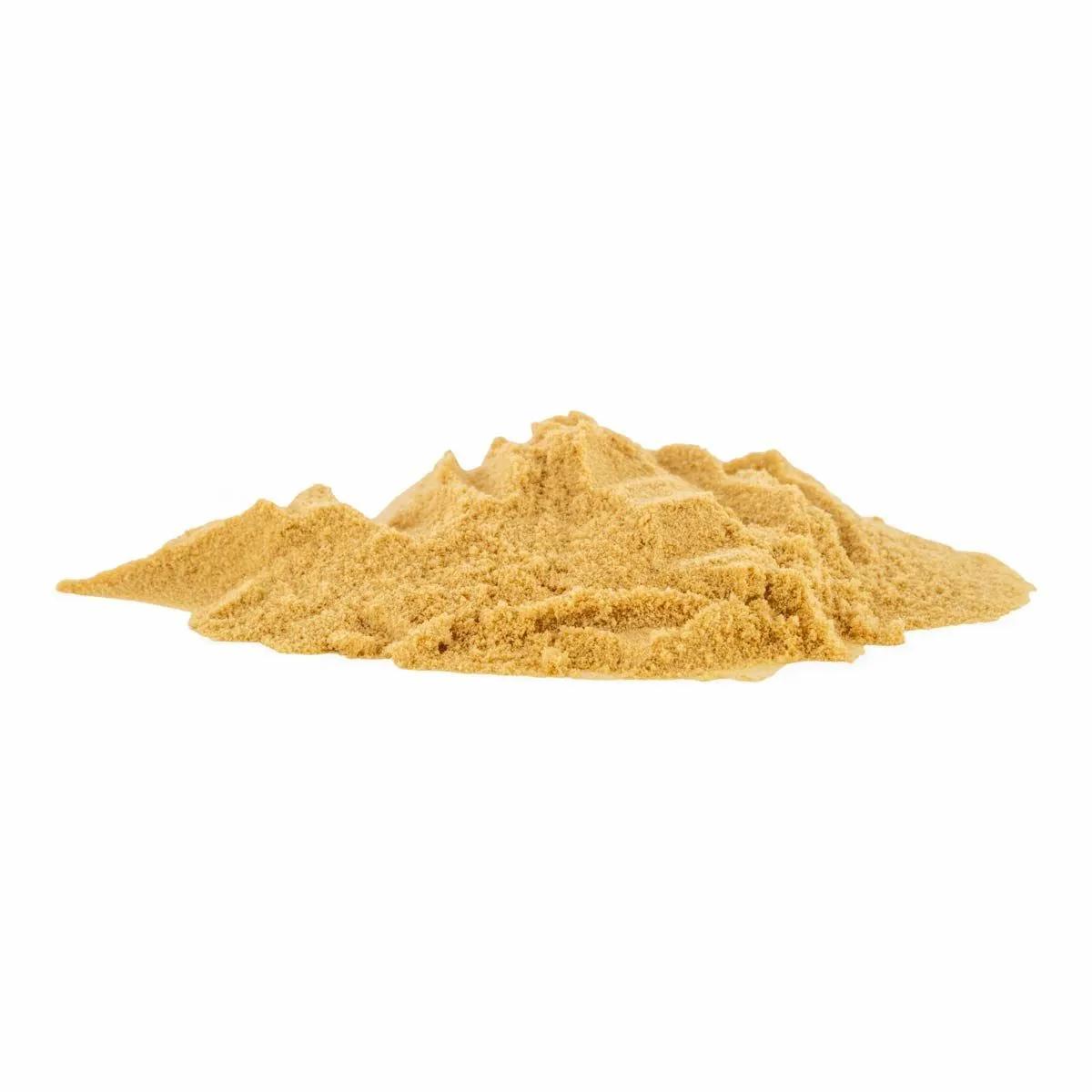
Lion's mane extract is a 10:1 concentrated powder derived from Hericium erinaceus, a shaggy white mushroom that grows on dead hardwood across North America, Asia, and Europe. It takes 10–12 kg of raw mushroom to produce a single kilogram of this extract, delivering a minimum 30% polysaccharide concentration alongside two compound groups — hericenones and erinacines — that have drawn serious attention from neuroscience researchers over the past two decades. Half a teaspoon daily, stirred into tea or yoghurt, and you're done.
Why This Lion's Mane Extract Stands Out
You'd need roughly 50 g of raw lion's mane mushroom daily to match the active compound yield in a single teaspoon of this extract — that's the honest maths behind concentration ratios. We've been stocking functional mushrooms at Azarius since the early 2000s, and with 25+ years of smartshop experience behind us, we've watched the market fill up with generic dried mushroom powders and low-concentration capsules that barely register on a lab report. This is a different product entirely.
Open the pouch and you'll notice it straightaway: an earthy, slightly woody aroma, almost like a forest floor after rain. The powder itself is ultra-fine — not gritty, not chalky. Stir it into hot water and it dissolves cleanly within about 20 seconds, no clumping, no residue settling at the bottom of your mug. The taste is mild, slightly umami, with a faint sweetness that sits well in chai or matcha. Compared to standard dried lion's mane powder, which often tastes dusty and needs aggressive blending, this is noticeably smoother.
The one thing to watch: this is a concentrated extract, not a culinary mushroom powder. It's designed for daily supplementation, not for cooking into risotto. If you're after something to toss into a stir-fry, you want whole dried lion's mane. If you want the active compounds in a form your body can actually absorb, this is the one we'd reach for.
What the Research Says About Lion's Mane
The science on Hericium erinaceus is still developing, but several clinical trials have produced interesting findings. According to a study published in PMC, one of the most significant clinical trials investigated the effects of H. erinaceus supplementation on cognitive function in 50- to 80-year-old Japanese adults, with results suggesting improvements in cognitive scores during the supplementation period (PMC, 2024). A separate trial published in Biomedical Research reported that oral intake of Hericium erinaceus improved cognitive functions in participants, though the authors noted that scientific evidence for human health applications remains under active investigation (Saitsu et al., 2019).
Not everything is clear-cut, though. An acute randomised, placebo-controlled, double-blinded crossover study found that a single dose of H. erinaceus fruiting body did not demonstrate a significant overall improvement in cognitive performance and mood compared to placebo (PMC, 2025). That's worth knowing — the evidence leans towards consistent daily use over weeks rather than a one-off dose producing immediate effects. We've heard the same from customers over the years: people who stick with it for 4–8 weeks tend to notice something; people who try it once and expect fireworks tend to be disappointed.
On the safety front, Chen et al. (2022) conducted subchronic toxicity and genotoxicity studies of H. erinaceus beta-glucan extract preparation and found no significant adverse effects at the doses tested (PMC, 2023). According to LiverTox (NCBI Bookshelf), lion's mane has been used for centuries in traditional Chinese medicine with a generally favourable safety profile (NCBI, LiverTox).
Specifications
| Spec | Value |
|---|---|
| Species | Hericium erinaceus |
| Extract Type | Hot water extraction |
| Concentration Ratio | 10:1 (10–12 kg raw per 1 kg extract) |
| Polysaccharide Content | Minimum 30% |
| Key Compounds | Hericenones, Erinacines |
| Daily Dose | Half teaspoon (approx. 2–2.5 g) |
| Form | Ultra-fine powder |
| Ingredients | 100% Hericium erinaceus extract |
| Shelf Life | 4 years |
| Shipping | EU-wide |
How to Use Lion's Mane Extract
- Measure out half a teaspoon of the extract powder — roughly 2–2.5 g. A kitchen scale helps if you want precision, but the half-teaspoon measure is reliable enough for daily use.
- Add the powder to a cup of hot (not boiling) water, tea, or warm plant milk. It dissolves cleanly within 15–20 seconds with a quick stir. No blender required.
- Alternatively, fold it into yoghurt, a smoothie, or porridge. The mild umami flavour blends well with most breakfast foods without overpowering anything.
- Take it consistently at the same time each day — morning is most common. Clinical studies that observed positive results used daily dosing over periods of 8–16 weeks.
- Store the pouch sealed in a cool, dry place away from direct sunlight. The 4-year shelf life holds as long as you keep moisture out.
From Our Counter: What We've Learned Stocking Lion's Mane Since the Early 2000s
The most common question we get about lion's mane extract is "how quickly does it work?" The honest answer: don't expect anything from a single dose. The acute study mentioned above backs this up — a one-off serving didn't move the needle on cognitive tests. What we hear from repeat customers, and what the longer-term clinical trials suggest, is that consistent daily use over 4–8 weeks is where people start noticing sharper recall, better focus during long work sessions, or just a general sense of mental clarity. It's not dramatic. It's subtle. And that's actually what you want from a daily supplement — if something hits you like a freight train on day one, you should probably be asking what's actually in it.
The other thing we've noticed: people who've tried generic dried lion's mane powder before often come back underwhelmed. That's because a standard dried powder isn't concentrated — you'd need to eat roughly 50 g of it daily to match what's in a single teaspoon of this 10:1 extract. That's a meaningful difference, and it's the reason we stock the extract rather than the raw powder. Concentration matters, and the 30% polysaccharide guarantee on this one is verifiable, not just a marketing claim on a label.
Safety and Interactions
Lion's mane has a long history of traditional use and a generally favourable safety profile according to available research. That said, there are a few things worth flagging. Research has noted that H. erinaceus may influence lipid profiles — studies on dietary-induced hyperlipidaemic and streptozotocin-induced diabetic rats observed changes in cholesterol markers. If you're taking blood-thinning medication, statins, or diabetes medication, it's worth having a conversation with your doctor before adding this to your routine. The same applies if you're on immunosuppressants, since polysaccharides can modulate immune activity.
No serious adverse effects have been reported in the clinical trials we've reviewed, including the subchronic toxicity study by Chen et al. (2022). But "no serious adverse effects in studies" doesn't mean "zero risk for everyone" — that's an honest distinction worth making.
Building a functional mushroom stack? Pair this lion's mane extract with Reishi extract for evening wind-down, or Cordyceps extract if you want something geared more towards physical endurance. All three dissolve the same way — half a teaspoon in your morning tea covers the lot.
Lion's Mane Extract vs. Dried Lion's Mane Powder
| Feature | This Extract (10:1) | Standard Dried Powder |
|---|---|---|
| Concentration | 10–12 kg raw per 1 kg extract | 1:1 (dried and ground) |
| Polysaccharide Content | Minimum 30% | Typically 5–15% |
| Daily Dose | Half teaspoon (~2–2.5 g) | ~50 g to match active yield |
| Dissolves in Liquid | Yes, cleanly | Often gritty, settles |
| Best For | Daily supplementation | Cooking, culinary use |
| Taste | Mild umami, slightly sweet | Earthy, can be dusty |
Frequently Asked Questions
How long does it take for lion's mane extract to work?
Don't expect noticeable effects from a single dose. Clinical trials that reported cognitive improvements used daily dosing over 8–16 weeks. Most of our customers who report positive results say they noticed a difference after 4–8 weeks of consistent use.
Can I take lion's mane extract with coffee?
Yes. The powder dissolves well in coffee and the mild flavour doesn't clash. Stir it in after brewing — don't add it to boiling water directly, as excessively high temperatures may degrade some compounds over time.
What does lion's mane extract taste like?
Mild and slightly umami with a faint sweetness. It's not bitter or mushroomy in the way you might expect. In tea or a smoothie, most people barely notice it's there.
Is half a teaspoon really enough?
Yes — that's the advantage of a 10:1 concentration ratio. Half a teaspoon of this extract contains the equivalent active compounds of roughly 25 g of raw mushroom. You'd need to eat a substantial pile of fresh lion's mane daily to match it.
Can I take lion's mane extract every day?
Daily use is how most clinical studies were structured, and it's how most of our customers use it. The safety data available, including subchronic toxicity studies, shows no significant adverse effects at standard doses over extended periods.
Does lion's mane extract contain psilocybin?
No. Hericium erinaceus is a functional mushroom, not a psychoactive one. It contains hericenones and erinacines — compounds studied for their potential neurotrophic properties — but no psilocybin, psilocin, or any psychoactive substances.
How should I store lion's mane extract?
Keep the pouch sealed in a cool, dry place away from direct sunlight and moisture. Stored properly, it has a 4-year shelf life. A kitchen cupboard away from the hob works well.
What are hericenones and erinacines?
These are two groups of compounds found in Hericium erinaceus that have been the focus of neuroscience research. Hericenones are found primarily in the fruiting body, while erinacines are concentrated in the mycelium. Both are being studied for their potential to stimulate nerve growth factor (NGF) synthesis, according to multiple preclinical studies.
Last updated: April 2026
You might also like


This product description was drafted with AI assistance and reviewed by Adam Parsons, Senior Writer & Reviewer. Editorial oversight by Joshua Askew.
Medical disclaimer. This content is for informational purposes only and does not constitute medical advice. Consult a qualified healthcare provider before use of any substance.