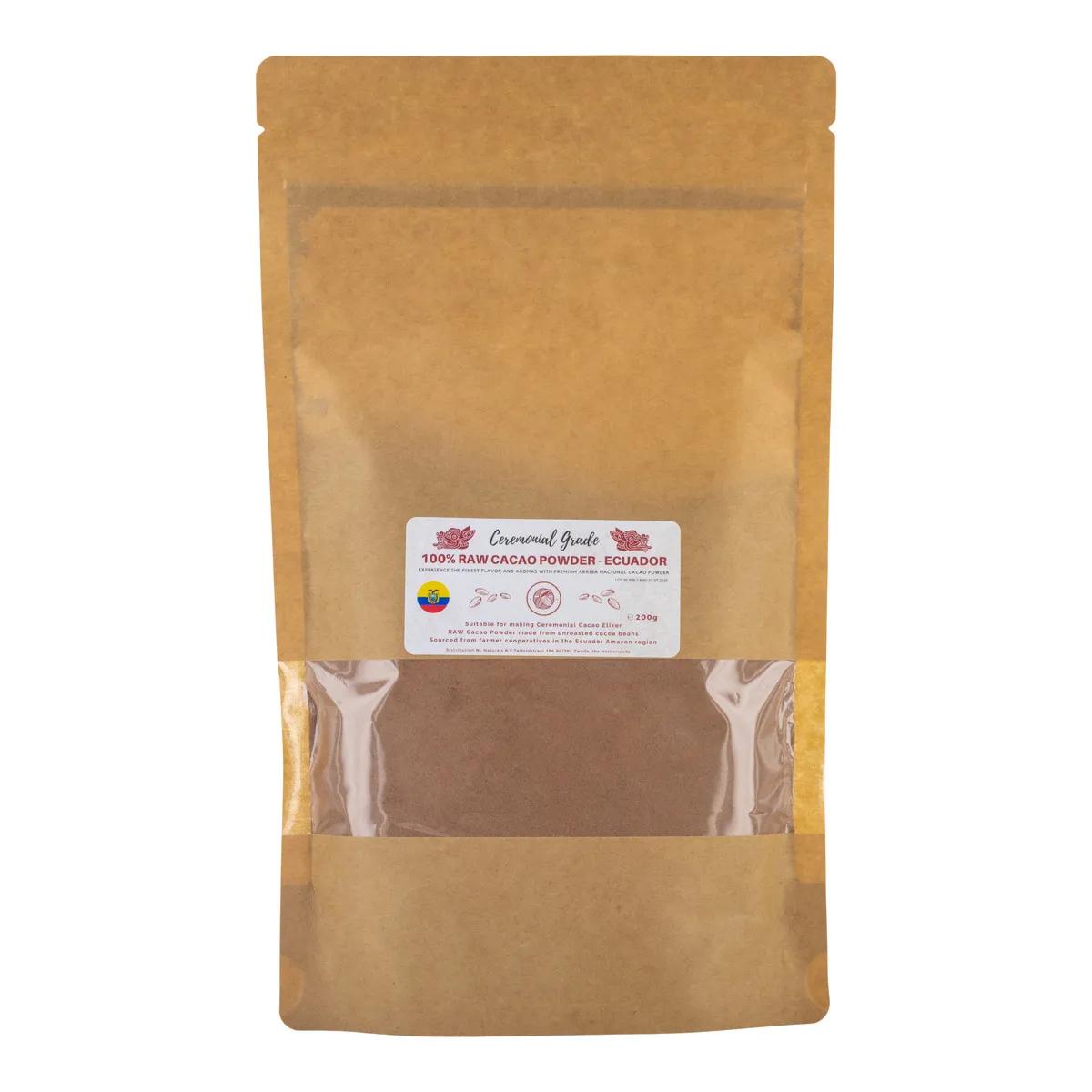
Raw Cacao Powder is a cold-pressed, single-origin cocoa product made from 100% non-GMO cacao beans with nothing else added — no sugar, no fillers, no alkalising agents. We stock two origins side by side: Peru (Criollo) and Ecuador (Arriba Nacional). Both are smooth, full-bodied, and built for proper drinking cacao rather than weak baking dust.
Why this cacao powder is worth the shelf space
Most "cacao powder" on supermarket shelves is Dutch-processed cocoa — alkalised, roasted hard, and stripped of about half its flavanol content. This one isn't. The beans are cold-pressed (so they never see the temperatures that destroy the delicate aromatics) and then milled into a fine powder that dissolves cleanly into hot water or milk. You can taste the difference within the first sip: less burnt-bitter, more fruit, more depth.
The flavanol angle matters if you care about what's actually in your cup. According to Cacao Powder: Health Benefits, Nutrients, Risks (WebMD), studies have linked the flavanols in cacao and cocoa to higher levels of nitric oxide in the blood — the molecule behind the slight "warm chest" sensation regular cacao drinkers know well. A 2012 review (Cocoa Polyphenols and Their Potential Benefits, PMC3488419) noted that polyphenols from cocoa may influence certain proinflammatory cytokines, and a separate review (Cocoa and Chocolate in Human Health and Disease, PMC4696435) observed that the antioxidant compounds in cocoa may influence insulin sensitivity in lab settings. None of this is a health claim about the powder in your cup — it's the research backdrop that explains why ceremonial cacao traditions have stuck around.
Peru or Ecuador — which variant to pick
Both blends are 100% pure cacao with no additives. The difference is the bean, and the bean changes everything.
| Variant | Bean | Flavour profile | Best for |
|---|---|---|---|
| Peru | Native Criollo | Deep chocolate, subtle fruit and nut undertones | Drinking cacao, ceremonies, rich baking |
| Ecuador | Arriba Nacional (sustainably grown) | Bright, fruity, floral, lighter body | Lighter cacao drinks, raw desserts, smoothies |
If you're new to drinking cacao and want the closest thing to "proper hot chocolate but stronger", go Peru. If you want something more interesting on the nose — the kind of cup where you actually stop and notice the aroma — go Ecuador. We'd pick Peru for ceremony work (the deeper body holds up to the dose) and Ecuador for everyday morning drinks.
How to use raw cacao powder
The powder dissolves into hot (not boiling) water, milk, or plant milk. For a proper drinking cacao, you want more than the teaspoon you'd put in a hot chocolate.
- Heat 200–250ml of water or milk to around 70–80°C — just below boiling.
- Add 1–2 tablespoons of powder for a daily drink, or 20–40g for a ceremonial cup.
- Whisk vigorously (a small milk frother works brilliantly) until smooth and slightly foamy.
- Sweeten to taste — coconut sugar, honey, maple syrup, or nothing at all.
- Optional: add cinnamon, chilli, cardamom, or vanilla. Spices were the original way cacao was served.
For baking, swap it 1:1 for cocoa powder. The flavour will be more pronounced — you can usually cut sugar by 10–15% because the powder isn't fighting the bitterness of over-roasted cocoa.
Dosage — what counts as a sensible cup
According to general nutritional guidance, most healthy adults can comfortably consume 1–2 tablespoons (around 5–15g) of raw cacao powder per day as part of regular use. Ceremonial doses sit much higher — typically 20–40g in a single cup — and are taken occasionally, not daily. Raw cacao contains theobromine and small amounts of caffeine, so if you're sensitive to stimulants, keep ceremonial doses to mornings and stick to the lower end.
Specifications
| Product | Raw Cacao Powder |
| Variants | Peru (Criollo) · Ecuador (Arriba Nacional) |
| Processing | Cold-pressed, non-alkalised |
| Ingredients | 100% cacao beans, nothing else |
| GMO | Non-GMO |
| Additives | None |
| Allergens | May contain traces of nuts |
| Storage | Airtight container, cool dry place |
| SKU | SM0901 (Peru) · SM0900 (Ecuador) |
Honest limitations — what to watch for
Raw cacao is not chocolate. The first time people switch over from supermarket hot chocolate, they often find the bitterness surprising — there's no sugar built in, no milk solids, no soy lecithin smoothing things out. You're tasting the bean. That's the point, but it takes a cup or two to adjust your palate.
It also contains theobromine, which is a slow-release stimulant. A 40g ceremonial cup before bed is a poor idea unless you enjoy ceiling-staring. Stick to mornings and afternoons for the larger doses. And the standard reminder: theobromine is toxic to dogs and cats — keep the bag well out of reach.
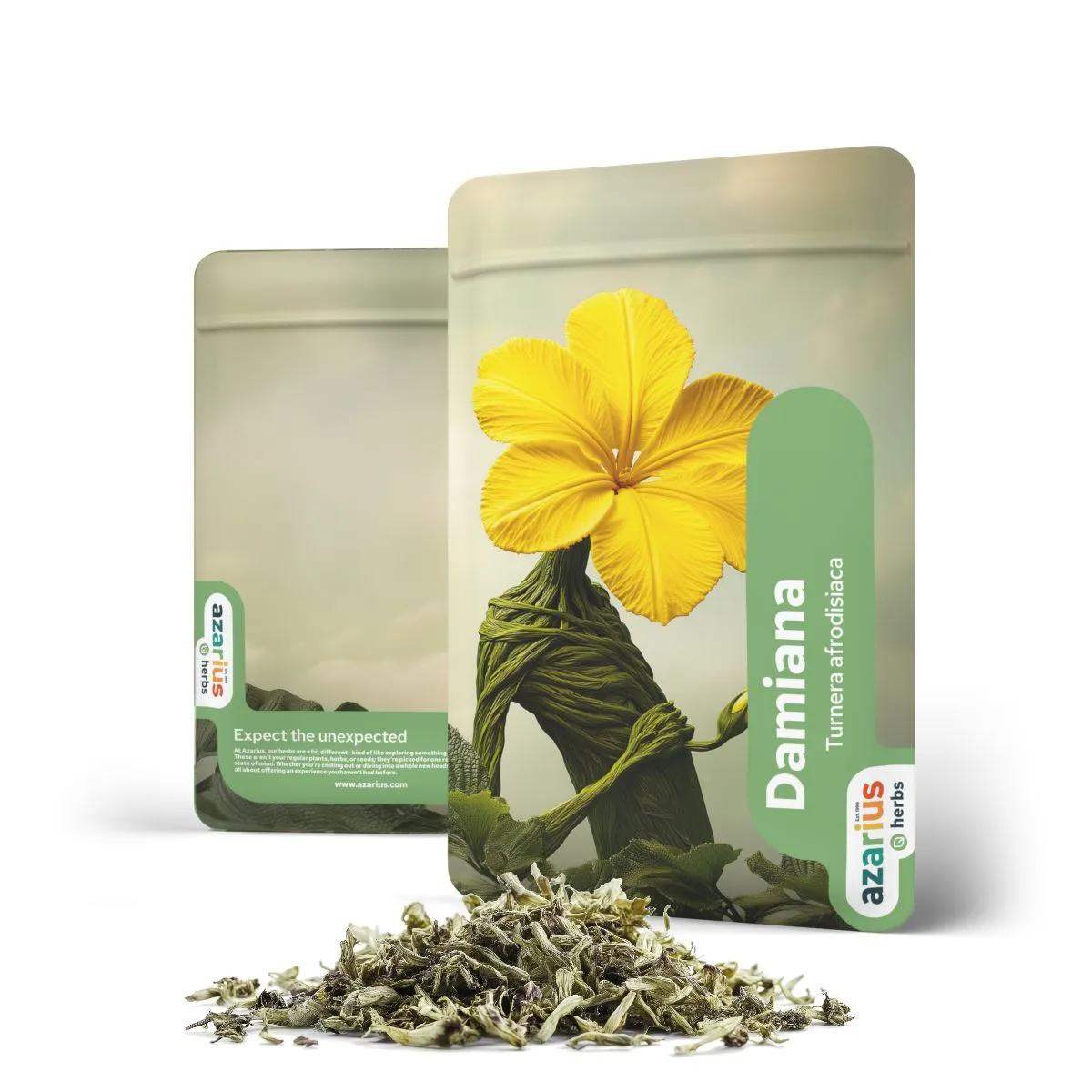
Pairs well with our Raw Cacao Powder Instant Mix if you want a pre-spiced ceremonial blend without weighing out cinnamon and chilli yourself. Also goes naturally alongside Damiana leaf for a traditional cacao-and-herb drink, or Maca powder for a morning energy cup.
Frequently Asked Questions
What is raw cacao powder?
Raw cacao powder is made from cold-pressed, unroasted (or minimally heated) cacao beans, ground into a fine powder. Unlike standard cocoa, it isn't alkalised or high-heat roasted, so it keeps more of its natural flavanols and aromatic compounds.
What's the difference between cacao and cocoa powder?
Cocoa powder is roasted at high temperatures and often alkalised (Dutch-processed), which mellows the flavour but strips flavanols. Cacao powder is cold-pressed and unprocessed, with a stronger, more bitter taste and a richer compound profile. You can swap them 1:1 in recipes.
Can you have too much cacao?
Yes. Cacao contains theobromine and small amounts of caffeine, so very large daily intakes can cause jitteriness, headaches, or trouble sleeping. According to general nutritional guidance, 1–2 tablespoons daily is a sensible everyday amount; ceremonial doses of 20–40g are taken occasionally.
Is raw cacao powder good for baking?
Yes — use it 1:1 in place of cocoa powder. The flavour will be more intense and slightly more bitter, so you can usually trim sugar by 10–15%. It works particularly well in brownies, raw chocolate bars, and energy balls where the flavour is the star.
How do I make a proper drinking cacao?
Heat 200–250ml of water or milk to around 70–80°C (not boiling), whisk in 1–2 tablespoons of powder until smooth, and sweeten to taste. For a ceremonial cup, use 20–40g. A small milk frother makes the texture much smoother than a spoon.
Does raw cacao keep you awake?
It can. Cacao contains theobromine, a slow-release stimulant, plus small amounts of caffeine. Most people tolerate a tablespoon fine in the afternoon, but a ceremonial 30–40g cup in the evening will likely affect your sleep.
Last updated: April 2026