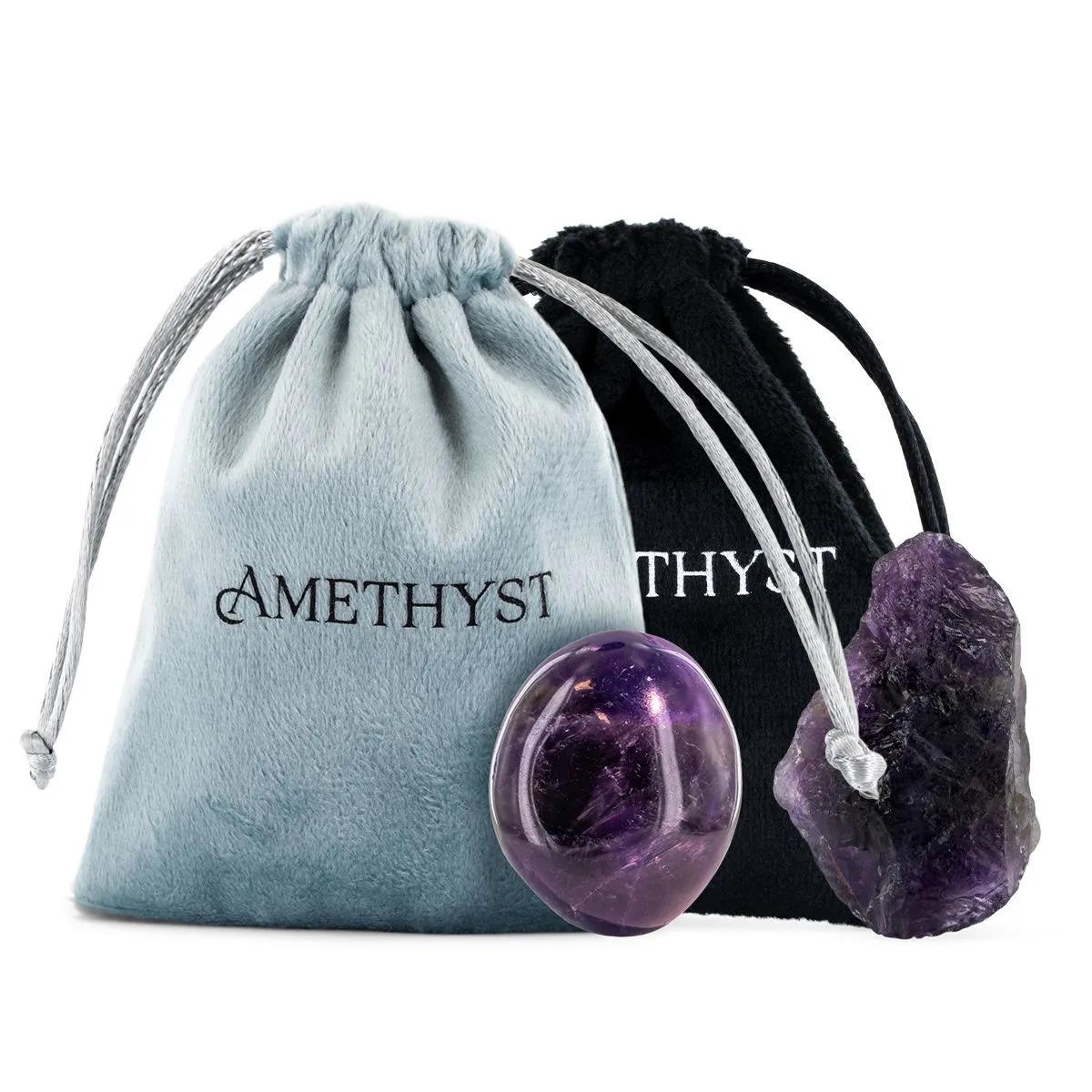
Amethyst is a purple variety of quartz that's been turning heads since around 25,000 BCE — and still does. This semiprecious stone carries deep violet hues with red and blue secondary tones, a glassy finish, and a history that runs from ancient Greek drinking cups to modern crystal shelves. We stock it in two finishes, natural and polished, both in the 3–5 cm range, so you can pick the look that suits your collection.
Why Amethyst Earns Its Spot on the Shelf
Amethyst is the crystal we get asked about more than any other purple stone — and for good reason. The colour comes from iron impurities and natural irradiation inside silicon dioxide crystals, which is why no two pieces look identical. Some lean dark grape, others sit closer to lilac with flashes of red where the light catches secondary inclusions.
It's also one of the few stones that holds up to actual handling. The 7 Mohs hardness means you can keep it on a desk, in a pocket, or on a windowsill without it scratching from the first knock. Compare that to softer collector stones like selenite (2 on Mohs), which crumbles if you breathe on it wrong, and amethyst starts to look like the sensible choice for a starter collection.
The ancient Greeks believed amethyst would protect its owner from getting drunk — the name itself comes from amethystos, meaning "not intoxicated." We can't vouch for that one (we've seen the evidence to the contrary on Friday nights in the Jordaan), but the stone's long association with calm, clarity, and reflection has stuck around for 27,000 years. That's a longer customer-retention rate than any brand we carry.
Natural vs Polished: Which Amethyst Finish to Pick
The choice between natural and polished comes down to whether you want raw geological character or smooth showroom finish. Both are the same mineral, both fall in the 3–5 cm range — the surface treatment is the only difference.
| Finish | What it looks like | Best for |
|---|---|---|
| Natural (SM0763) | Raw crystal points, uneven surfaces, visible cluster structure | Collectors who want geological character, altar pieces, display shelves |
| Polished (SM0764) | Smooth tumbled surface, glassy finish, even colour distribution | Pocket stones, palm-holding during meditation, gifting |
Honest limitation: polished pieces can look slightly less "alive" under bright light because the facets that catch sparkle in a natural piece get smoothed out. Natural pieces, on the other hand, are harder to photograph well and can have small fissures or matrix attached. Neither is better — they're different products for different purposes.
What Amethyst Is Used For
Amethyst is traditionally associated with calm, clarity, and the crown chakra. Many people keep it on a bedside table, a meditation cushion, or a workspace as a focus anchor — something to look at, hold, or set intentions around. We're not going to pretend it does the work for you, but a tangible object you've chosen on purpose tends to reinforce whatever practice you've built around it.
In crystal traditions, amethyst is linked with the third eye and crown chakras, often used during meditation or placed in spaces where rest and reflection happen. Others simply collect it because it looks good catching afternoon light on a shelf. Both are valid reasons.
Specifications
| Mineral | Quartz (silicon dioxide) with iron inclusions |
| Colour | Deep purple with red and blue secondary tones |
| Hardness | 7 on Mohs scale |
| Size range | 3–5 cm |
| Finishes available | Natural (SM0763), Polished (SM0764) |
| Common origins | Brazil, Uruguay, Zambia |
| Associated chakras | Third eye, crown |
| Care | Wipe with damp soapy cloth, dry immediately |
How to Care for Your Amethyst
- Wipe the stone with a damp cloth and a drop of mild soap if it picks up dust or fingerprints.
- Dry it immediately with a soft cloth — don't let water sit in cracks or matrix.
- Keep it out of prolonged direct sunlight. Amethyst can fade over months of UV exposure, shifting from deep purple toward pale lilac.
- Store separately from harder stones (topaz, sapphire, diamond) to avoid scratches on polished surfaces.
- If you cleanse crystals as part of your practice, moonlight or a quick rinse under running water both work. Salt water is fine for amethyst but unnecessary.
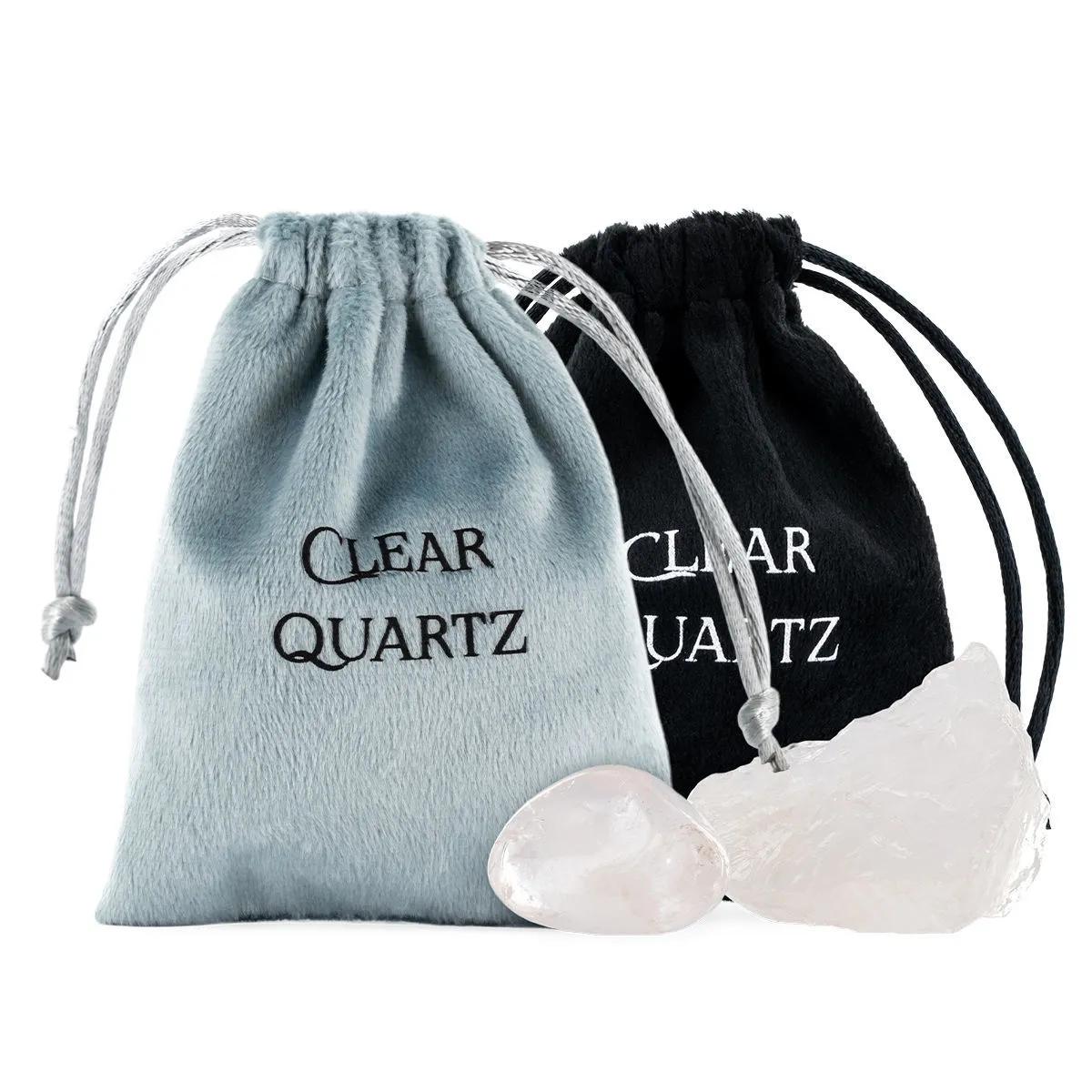
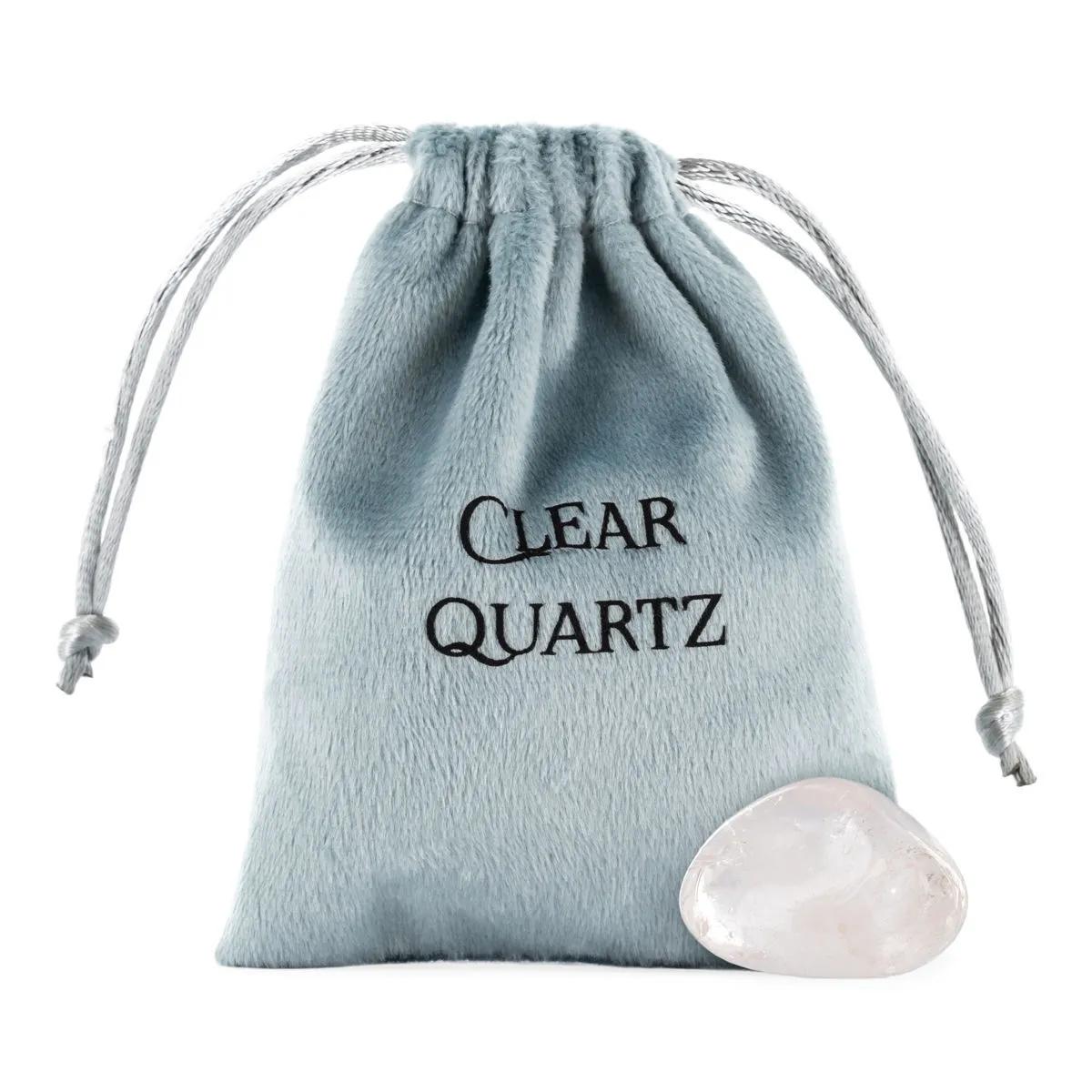
Pairs well with clear quartz for crystal grids, or rose quartz if you're building a chakra set. Both sit in the same 3–5 cm range and look at home on the same shelf.
Frequently Asked Questions
What is amethyst?
Amethyst is a purple variety of quartz, a semiprecious stone made of silicon dioxide with iron impurities that give it the violet colour. It's been used and collected since roughly 25,000 BCE and ranks 7 on the Mohs hardness scale.
What colour is amethyst?
Deep purple, with secondary tones of red and blue depending on the piece. Lighter specimens lean lilac; darker ones approach grape or wine. The colour comes from iron inclusions inside the crystal lattice.
Where is amethyst found?
The main sources are Brazil, Uruguay, and Zambia, though it's also mined in Madagascar, Russia, and parts of the US. Brazilian and Uruguayan amethyst tend to be the most common on the European market.
What chakra does amethyst correspond to?
In crystal traditions, amethyst is associated with the third eye chakra (Ajna) and the crown chakra (Sahasrara). It's commonly used during meditation focused on clarity, reflection, or spiritual awareness.
What does amethyst do spiritually?
Many people associate amethyst with calm, focus, and spiritual awareness. The ancient Greeks believed it protected against intoxication — the name means "not drunk" in Greek. We can't verify any specific effect, but it's been used in reflective practice for thousands of years.
Should I pick natural or polished amethyst?
Natural pieces show raw crystal structure and geological character — better for display and altar pieces. Polished pieces are smooth and pocket-friendly, better for handling during meditation. Both are 3–5 cm and the same mineral underneath.
How do I clean amethyst?
Wipe with a damp cloth and mild soap, then dry immediately. Keep it out of prolonged sunlight to prevent fading, and store it away from harder stones to avoid scratches on polished surfaces.
Last updated: April 2026