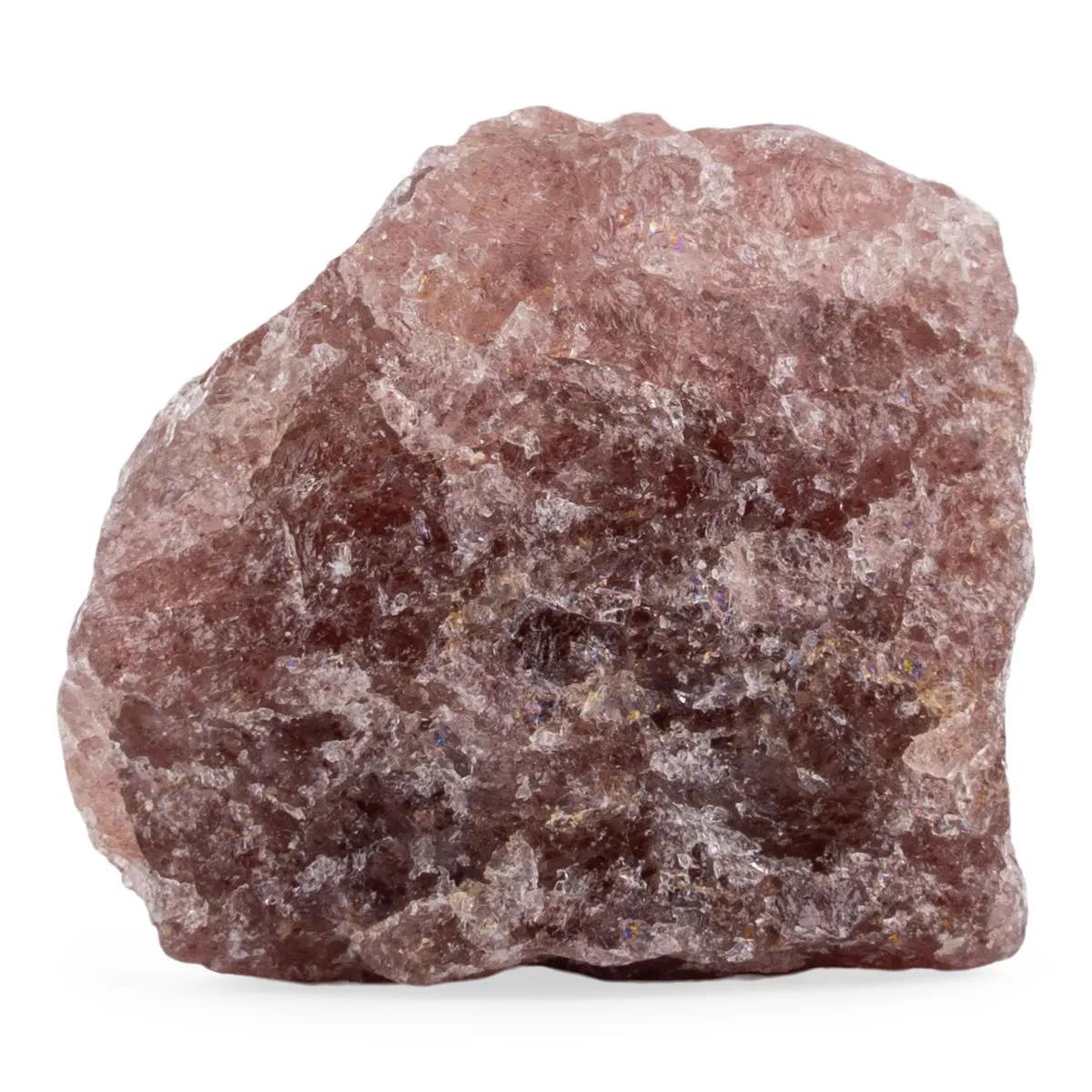
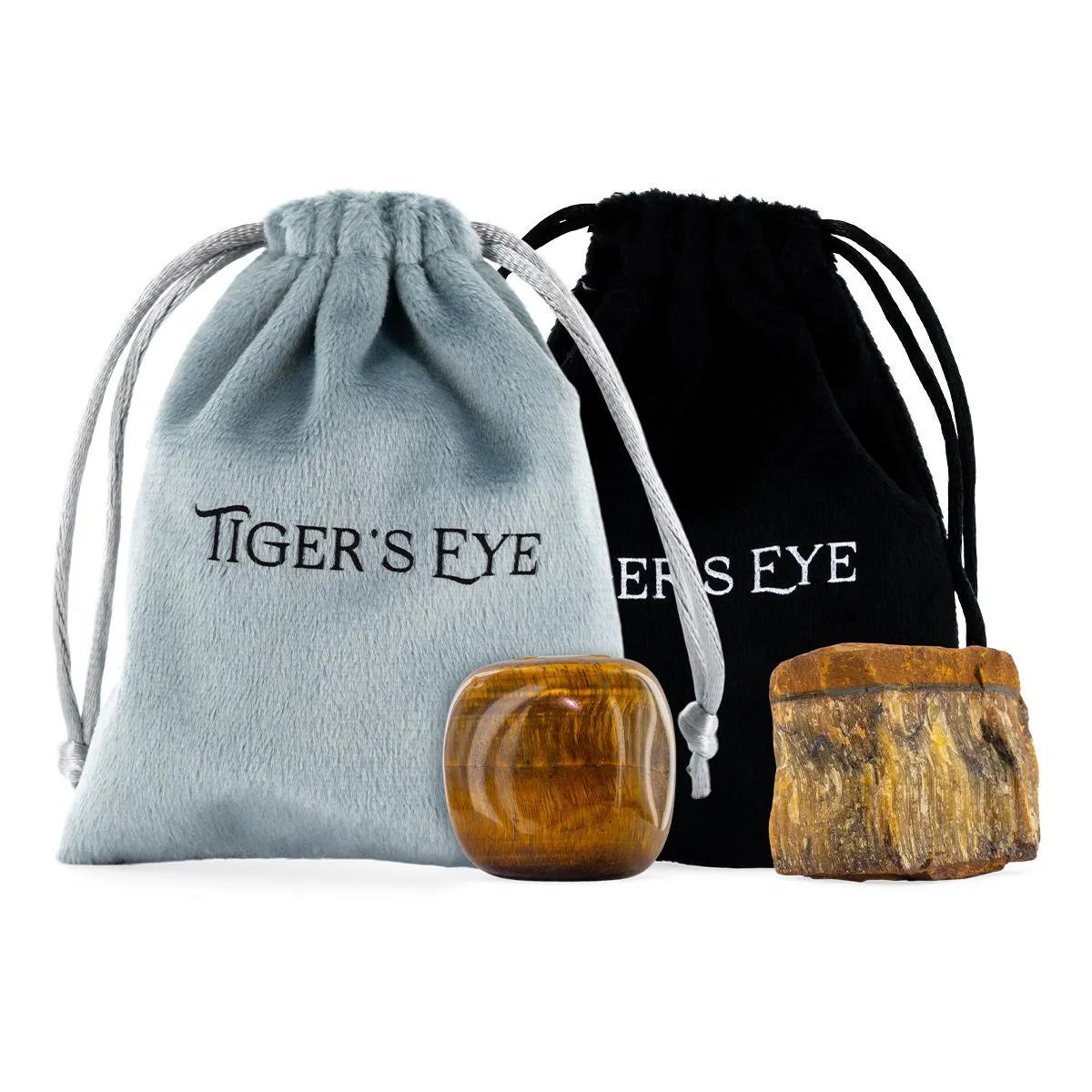
Tiger's Eye is a chatoyant quartz stone that catches light across bands of red, brown, and golden hues — the same shimmer that gave it its name. Mined traditionally in South Africa and Australia, this is the kind of stone crystal collectors keep coming back to: striking enough to display on a shelf, small enough to slip in your pocket.
Why Tiger's Eye Earns Its Place on the Shelf
Tiger's Eye is one of the most recognisable quartz varieties in the mineral world — and one of the easiest to live with. The golden bands shift as you rotate the stone, an optical effect called chatoyancy that's caused by parallel fibres of crocidolite being replaced by silica over millions of years. No two pieces look the same, which is half the appeal.
Among crystal enthusiasts, Tiger's Eye is traditionally associated with the solar plexus chakra and is said to bring out passion and emotional balance. We'll let you decide what you make of that side of things — what we can vouch for is that it's a properly handsome stone for the price, and it holds up to handling in a way softer minerals don't.
Natural vs Polished: Which Variant to Pick
Both finishes are the same stone, sourced from the same regions — the difference is purely tactile and visual. Pick based on how you plan to use it.
| Variant | Look & feel | Best for |
|---|---|---|
| Natural (SM0782) | Raw, matte surface with the original mineral texture. Bands visible but understated. | Display pieces, collectors who want the unprocessed look, altar or shelf decoration. |
| Polished (SM0783) | Smooth, glossy finish that brings out the full chatoyant shimmer. Pleasant to handle. | Carrying in a pocket, worry-stone use, gifting, anyone who wants the golden flash front and centre. |
If you can't decide, the polished version is the more popular pick at the counter — the optical effect is much more dramatic once the surface is smoothed. The natural finish appeals more to mineral collectors who want the stone in its as-mined state.
Specifications
| Stone type | Quartz (chatoyant variety) |
| Colour | Red, brown, and golden bands |
| Size | 3–5 cm |
| Finishes available | Natural or polished |
| Origin | South Africa and Australia |
| Mohs hardness | ~7 (durable, scratch-resistant) |
| Associated chakra | Solar plexus (traditional) |
| Care | Damp cloth + mild soap |
Pairs well with other grounding stones in our crystals collection — hematite and black tourmaline are popular companions on a windowsill or altar arrangement. If you're building a chakra set, a clear quartz point sits nicely alongside Tiger's Eye for contrast.
How to Use and Care for Your Tiger's Eye
Tiger's Eye is one of the lower-maintenance stones we sell — Mohs hardness of around 7 means it shrugs off the kind of handling that would chip softer minerals like selenite or fluorite. Here's how to keep it looking its best.
- Unbox and inspect the bands — rotate the stone under a lamp to see the chatoyant shimmer at its best.
- Pick a spot: display shelf, altar, desk, or pocket. Polished pieces handle pocket-carrying without dulling.
- Clean monthly with a damp cloth and a drop of mild dish soap. Rinse, pat dry, done.
- Avoid prolonged soaking, harsh chemicals, and direct sunlight for hours on end — colours can fade with extreme UV exposure over years.
- If you're into the energy side: many users rinse new crystals under running water before first use, then set them on a windowsill overnight.
From Our Counter: What Customers Actually Do With It
Most people who pick up a Tiger's Eye at the shop fall into two camps. The first is the crystal-curious — someone exploring grounding stones, building their first set, or drawn to the solar plexus association. The second is purely aesthetic: collectors and decorators who want a striking 3–5 cm stone that catches light on a bookshelf. Both groups walk out happy. The honest limitation worth flagging: if you're expecting a stone the size of your fist, this isn't it — the 3–5 cm range is pocket-sized, not paperweight-sized.
Frequently Asked Questions
How can you tell if a Tiger's Eye is real?
Genuine Tiger's Eye shows chatoyancy — a moving band of light that shifts as you rotate the stone under a light source. Fakes (usually dyed glass or fibre optic) tend to have an unnaturally even shimmer and lack the warm depth of real quartz banding.
Can you put water on Tiger's Eye?
Yes, brief contact with water is fine — a damp cloth with mild soap is the recommended cleaning method. Avoid prolonged soaking, as the fibrous structure can absorb moisture over time.
Is Tiger's Eye toxic?
No, Tiger's Eye is not toxic to handle, carry, or wear. The crocidolite fibres are fully replaced by silica during formation, so a finished, intact stone is safe for everyday contact.
Where should you place Tiger's Eye in the home?
Traditional placement favours workspaces, desks, and entryways — anywhere associated with focus, action, or grounding. Aesthetically, it looks best somewhere it catches natural or directed light so the chatoyant bands come alive.
What's the difference between the natural and polished finish?
Same stone, same origin — only the surface treatment differs. Polished pieces show a glossier shimmer and feel smooth in the hand; natural pieces keep the raw mineral texture and a more understated band pattern.
Who can wear or carry Tiger's Eye?
Anyone — there are no restrictions. It's a hard quartz at Mohs 7, so it's durable enough for pocket-carry, jewellery settings, or daily handling without chipping.
Last updated: April 2026