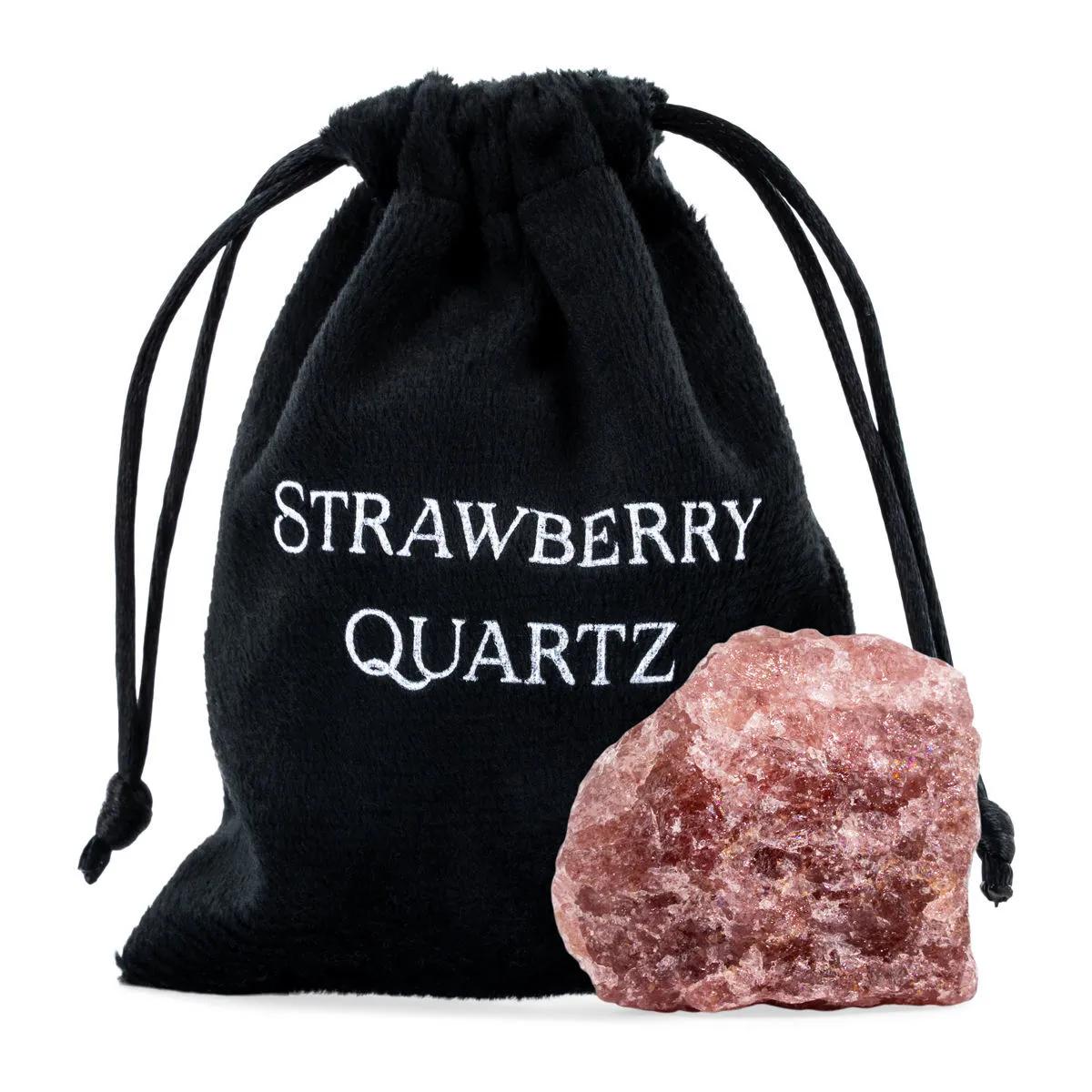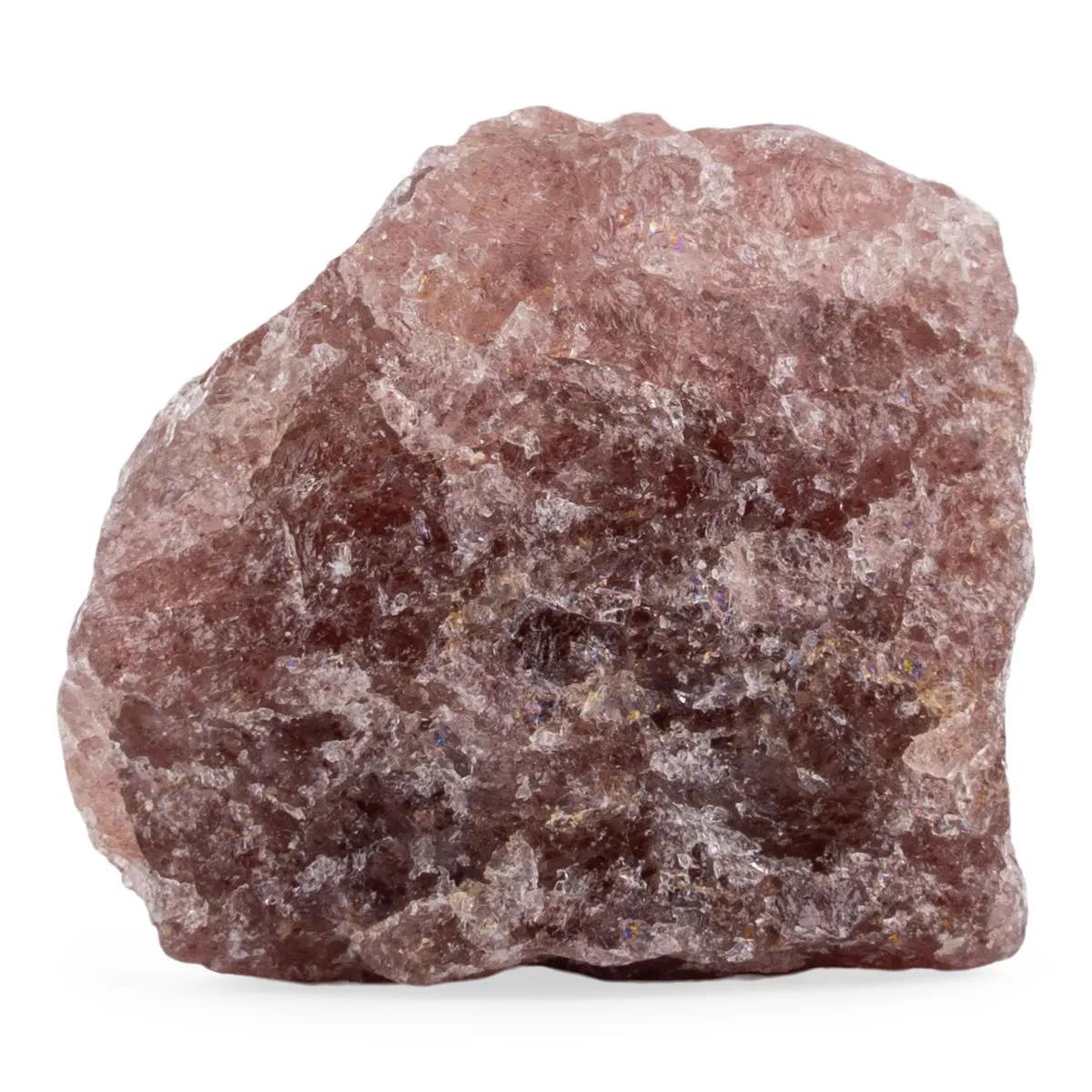
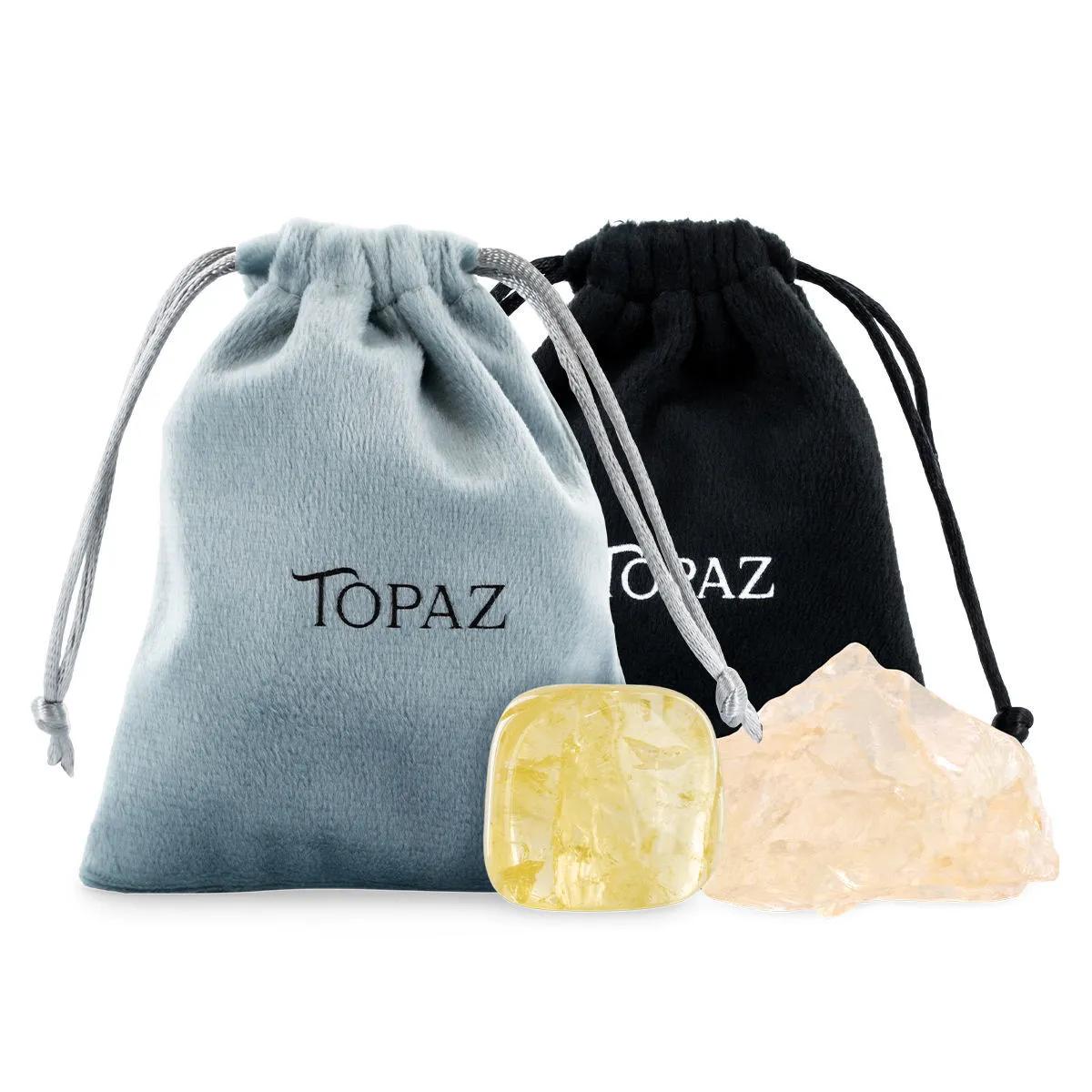
Topaz is a silicate gemstone that brings warm yellow and green hues to any crystal collection. Mined from the Ural Mountains of Russia, the riverbeds of Brazil, and several locations across the USA, this 3–5 cm stone fits in your pocket or sits proudly on a desk. Pick natural for raw texture, polished for that mirror-smooth shine.
Why Topaz earns its spot in a crystal collection
Topaz is one of the most-collected gemstones on the planet — and once you've held a piece, you'll see why. The colour range alone is reason enough: depending on where the stone formed, you'll see soft champagne yellows, golden tones, and the green hues this batch is known for. It's a silicate mineral (aluminium fluorosilicate, if you want the technical bit) that grows in pegmatite veins, which is why Brazil and the Urals produce some of the world's best specimens.
For collectors, the appeal is the variation. No two pieces are identical. You'll see internal inclusions, natural facets, and colour gradients that catch light differently throughout the day. Crystal enthusiasts consider Topaz a stone that directs energy where it's needed and carries a calming character — others associate it with love and good fortune. We're not going to tell you what to feel; we'll just say it looks brilliant on a windowsill.
Natural or polished — which Topaz variant to pick
Both variants are the same stone, same origin, same 3–5 cm size range. The difference is finish, and the choice comes down to what you want on display.
| Variant | Finish | Best for |
|---|---|---|
| Natural | Raw, unworked surface with visible crystal structure and texture | Collectors who want the stone exactly as it came out of the ground — rough edges, natural facets, geological character |
| Polished | Smooth, glossy surface that brings out colour saturation | Display pieces, pocket stones, anyone who wants the yellow-green hues to really pop under light |
Honestly? If this is your first Topaz, the polished version is the easier sell — colours look more vivid and it photographs better. If you've already got a collection going and want geological variety, natural is the one. We'd grab one of each if shelf space allowed.
Specifications
| Stone | Topaz (aluminium fluorosilicate) |
| Size | 3–5 cm per piece |
| Colour | Yellow and green hues |
| Origin | Russia (Ural Mountains), Brazil, USA |
| Finish options | Natural or polished |
| Mohs hardness | 8 (one of the harder gemstones) |
| Care | Damp cloth with a drop of dish soap |
Pairs well with our other tumbled stones and crystal points — build out a collection by mixing Topaz with Amethyst, Citrine, or Clear Quartz for a varied colour palette on your display shelf.
Caring for your Topaz
Topaz is genuinely low-maintenance, which is part of the appeal. With a Mohs hardness of 8, it's tougher than quartz and won't scratch from everyday handling. That said, a few habits will keep it looking sharp:
- Wipe with a soft, damp cloth when it gets dusty — once a month is plenty.
- For deeper cleaning, add a drop of mild dish soap to lukewarm water, wipe the stone gently, then dry with a soft cloth.
- Skip ultrasonic cleaners and harsh chemicals — they can affect the natural colour over time.
- Store it away from direct, prolonged sunlight if you want to preserve colour intensity (especially for polished pieces).
- Keep it separate from softer stones in storage so it doesn't scratch anything else in your collection.
From our counter
Topaz is one of those stones people pick up, turn over once, and end up buying. The yellow-green pieces in particular have a warm quality that you don't get from clear quartz or amethyst — it's why we keep these in the front of the case. The natural finish pieces tend to attract serious collectors; the polished ones go home with people building their first crystal set. Both are good choices for different reasons.
One honest limitation: because these are natural stones, the exact shade and inclusions of the piece you receive will vary. If you're after a very specific colour match, this isn't the product for you — every Topaz is its own thing. That's also exactly why collectors love them.
Frequently Asked Questions
What size is the Topaz I'll receive?
Each piece measures between 3 and 5 cm. Because these are natural stones, exact dimensions, shape, and colour intensity vary slightly from piece to piece — that's part of the appeal for collectors.
What's the difference between natural and polished Topaz?
Natural Topaz has a raw, unworked surface that shows the stone's geological character. Polished Topaz has a smooth, glossy finish that brings out the yellow and green hues more vividly. Same stone, same origin — just different finishes.
Where does this Topaz come from?
Topaz is naturally found in the Ural Mountains of Russia, in Brazil, and at various locations across the USA. These are the three main source regions, and each produces stones with slightly different colour profiles and inclusions.
How do I clean my Topaz?
A wipe with a damp cloth handles most dust. For a deeper clean, add a drop of mild dish soap to lukewarm water, wipe gently, and dry with a soft cloth. Avoid ultrasonic cleaners and harsh chemicals.
Can I carry Topaz with me?
Yes — at 3–5 cm it fits easily in a pocket or small pouch. Topaz has a Mohs hardness of 8, so it's tough enough for everyday carry without scratching. Just keep it separate from softer stones in storage.
Will the colour fade over time?
Topaz colour is generally stable, but prolonged direct sunlight can affect intensity in some pieces over years. If you're displaying it on a sunny windowsill, expect very gradual change — for long-term colour preservation, keep it out of harsh direct light.
Last updated: April 2026