Drug tests
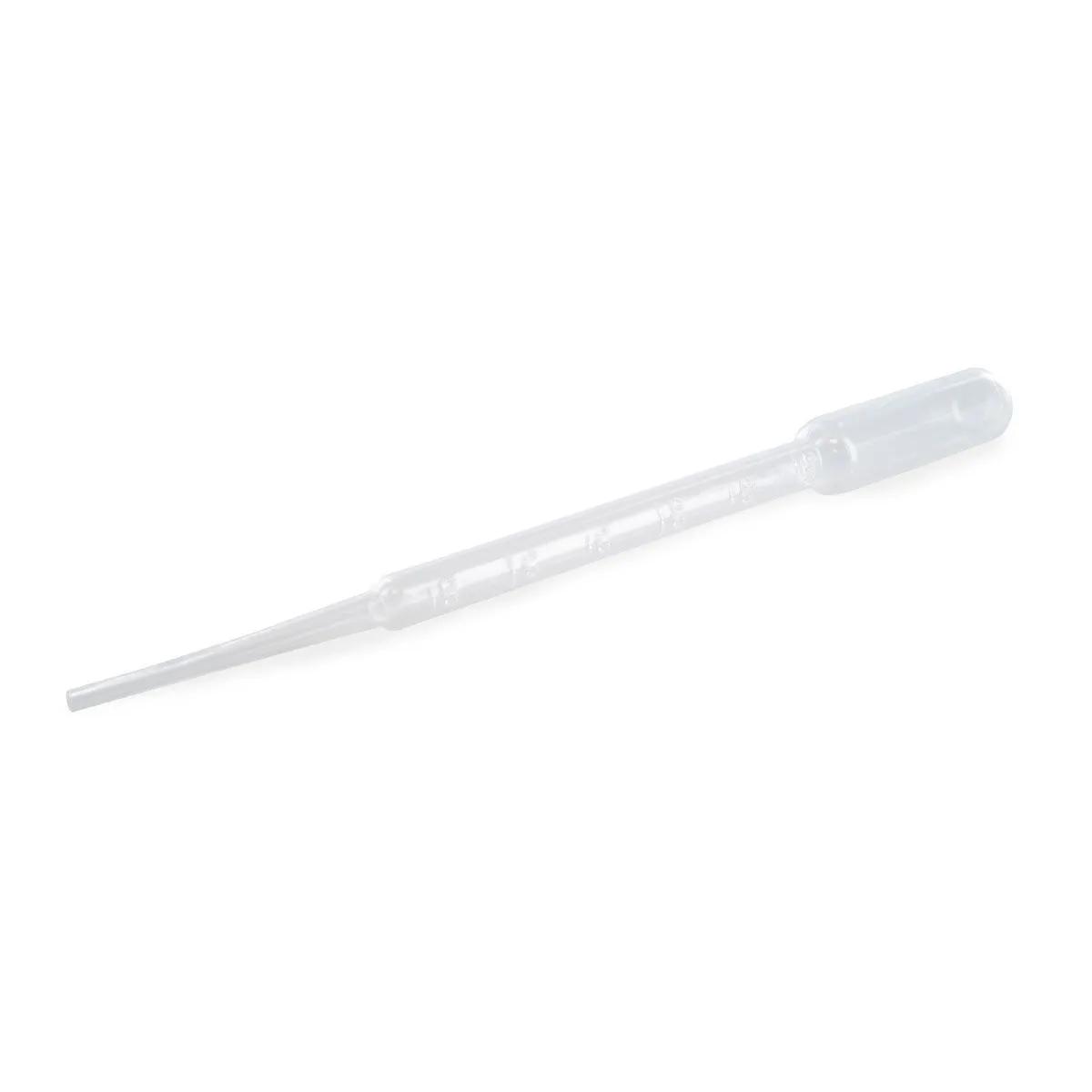
A plastic Pasteur pipette 3ml is a disposable, single-use transfer tool that lets you move small volumes of liquid with precision — no guesswork, no mess. This squeezable polyethylene pipette handles the everyday jobs that come up more often than you'd think: dosing liquid fertiliser, measuring out tinctures drop by drop, or running a home drug test where accuracy actually matters. Lightweight, flexible, and cheap enough to bin after every use, it's the kind of thing you should buy a handful of and stash in your kit drawer.
| Spec | Value |
|---|---|
| Capacity | 3 ml |
| Material | Flexible plastic (polyethylene) |
| Type | Pasteur pipette (non-graduated transfer pipette) |
| Sterile | No (general-purpose use) |
| Reusable | No — single-use, dispose after each transfer |
| SKU | SH0121 |
| Pipette Type | Volume Markings | Material | Best For |
|---|---|---|---|
| Plastic Pasteur pipette (this product) | None — estimate by drops | Polyethylene | Home drug testing, gardening, tinctures |
| Graduated transfer pipette | Printed ml lines on barrel | Plastic | Measured dosing where exact volume matters |
| Glass Pasteur pipette | None | Borosilicate glass | Lab work, reusable with sterilisation |
| Micropipette | Digital or dial readout | Metal/plastic body, disposable tips | Precision lab measurement (µl range) |
Running a home drug test? Order a few of these alongside your EZ Test kit or Marquis reagent — most reagent tests need a small, controlled amount of liquid, and eyeballing it with a spoon is a recipe for inaccurate results. Also handy to keep a stack next to your liquid plant nutrients so you can measure feeds without contaminating the bottle. If you're testing multiple substances, grab an EZ Test Multi Drug Kit and a pack of these pipettes so each sample gets a fresh, uncontaminated transfer.
A 3ml plastic Pasteur pipette eliminates the two problems that ruin home tests and liquid measurements — spillage and contamination. You never think you need one until you're standing over a drug testing kit trying to transfer 1ml of liquid from a tiny vial with shaky hands and a teaspoon. We've watched it happen in the shop more times than we can count. A single plastic Pasteur pipette 3ml costs next to nothing, weighs about 2 grams, and saves you from both issues in one squeeze.
Contamination is the one people underestimate. If you reuse a pipette — or worse, dip the same dropper into two different liquids — you've just introduced unknown variables into whatever you're measuring. That matters when you're running a reagent drug test, where even a tiny amount of residue from a previous sample can throw off the colour reaction. According to the EMCDDA's harm reduction guidelines, accurate sample handling is one of the most overlooked steps in home reagent testing — and a disposable pipette is the simplest fix. It matters when you're dosing liquid plant feed, because mixing nutrient lines in the wrong order or with cross-contaminated tools can lock out uptake in your growing medium. And it matters with tinctures, where hygiene keeps the product stable over time.
The honest limitation? These are basic transfer pipettes, not precision lab instruments. There are no graduation markings on the barrel, so you're estimating volume by eye or by counting drops. For most home purposes — drug testing, gardening, kitchen work — that's absolutely fine. If you need exact microlitre accuracy, you'd want a graduated pipette or a proper micropipette. But for the price of a few of these, you'd be daft not to get a handful and keep them in your kit drawer.
Using a plastic Pasteur pipette 3ml takes about ten seconds and requires zero experience — squeeze, dip, release, transfer, dispose.
We started stocking these in our Amsterdam shop because customers kept asking for them alongside drug testing kits like the EZ Test range and Marquis reagent. Turns out the kits themselves sometimes include a pipette, sometimes don't — and even when they do, one is never enough if you're testing multiple samples. We've been selling smartshop supplies since 1999, and the pattern is always the same: people buy the test, skip the accessories, then come back frustrated because the results were inconclusive. Nine times out of ten, the issue was sloppy sample handling, not a faulty test. A 3ml plastic Pasteur pipette is the cheapest insurance you can buy against wasted reagent and ambiguous colour reactions.
The feel of these is exactly what you'd expect — soft, flexible polyethylene that compresses easily between two fingers. The tip is narrow enough to fit into most standard vials and small-necked bottles. They're not flimsy, but they're not built to last either. That's the point. Use once, bin it, grab a fresh one. If you're doing any kind of regular testing or liquid dosing at home, order 5 or 10 at a time. You'll use them.
One thing we'll be upfront about: we tried a cheaper batch from a different supplier a couple of years back, and the bulbs were so stiff customers could barely squeeze them one-handed. We switched back within a month. The ones we stock now have a soft, responsive bulb that actually works the way you'd expect a plastic Pasteur pipette to work — light pressure in, smooth release out. Small detail, but it's the difference between a usable tool and a frustrating one.
A Pasteur pipette transfers small volumes of liquid — typically 1–3ml — from one container to another. Common uses include drug testing sample preparation, dosing liquid fertilisers, and dispensing tinctures. The 3ml size handles most home applications without needing a larger tool.
Reusing a pipette risks cross-contaminating your liquids. Even trace residue from a previous sample can affect reagent test results or alter nutrient mixes. Plastic pipettes are cheap enough to use once and discard, which keeps every measurement clean.
No. Plastic Pasteur pipettes cannot withstand autoclaving or high-temperature sterilisation — the polyethylene warps and degrades. They're designed for single use. If you need a reusable option, glass Pasteur pipettes exist, but they're fragile and still need proper sterilisation between uses.
Roughly 20 drops per millilitre, depending on the liquid's viscosity. Water-based solutions sit close to that 20-drop mark. Thicker liquids like glycerine-based tinctures produce larger drops, so you'll get fewer per ml — around 12–15.
Yes — most reagent drug tests require well under 1ml of liquid sample. A 3ml pipette gives you more than enough capacity, and the fine tip lets you dispense single drops for precise application onto the test surface.
A Pasteur pipette has no volume markings — you estimate by feel or count drops. A graduated pipette has printed measurement lines along the barrel for exact volume readings. For home use like drug testing or gardening, a Pasteur pipette is usually sufficient. Lab-grade accuracy calls for a graduated model.
Keep them in their original packaging, in a dry spot away from direct sunlight. Polyethylene is stable at room temperature and won't degrade sitting in a drawer. No special storage conditions needed — they'll last years unopened.
Last updated: April 2026
Medical disclaimer. This content is for informational purposes only and does not constitute medical advice. Consult a qualified healthcare provider before use of any substance.