
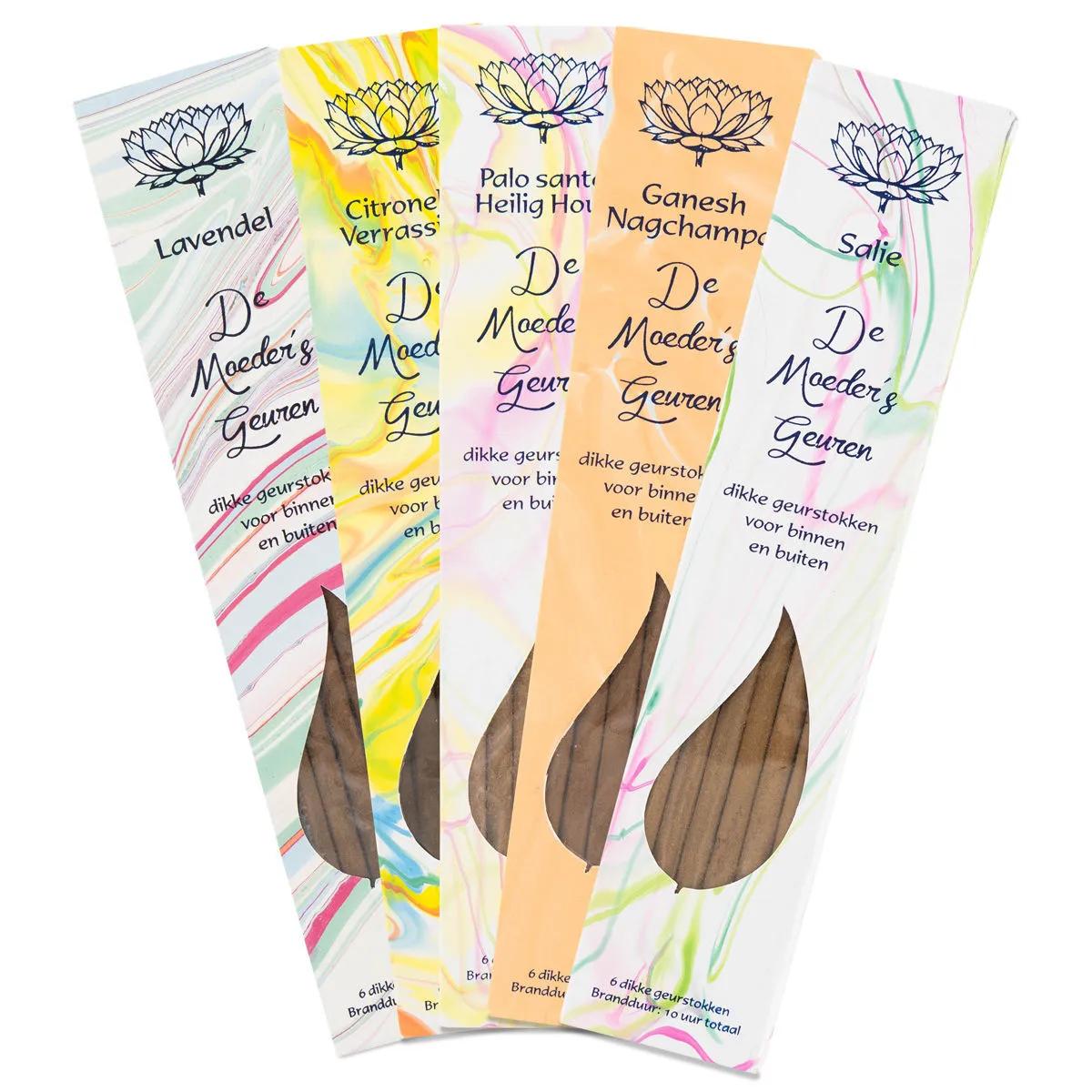
Thick Herbal Incense Sticks
Incense & aromatherapy
by De Moeder's Geuren
We'll only email you about this product — no marketing.
Thick Herbal Incense Sticks — Handmade, All-Natural, and Built to Burn for Hours
Thick herbal incense sticks are handmade, all-natural aromatic sticks designed to fill a room — or an entire garden — with fragrant smoke for up to 10 hours on a single burn. Available in five distinct aromas including Sage, Palo Santo, and Ganesh Nagchampa, these chunky sticks are a proper step up from the thin, flimsy incense you find at petrol stations. If you want something that actually lasts through a full evening session, meditation, or just makes your living room smell like something other than last night's dinner, this is where you start.
Which Aroma Should You Pick?
Five variants, five very different moods. Here's a quick guide so you're not staring at the dropdown for ten minutes:
| Variant | Character | Best For |
|---|---|---|
| Sage | Dry, herbaceous, earthy — the classic smudging aroma | Clearing a room, fresh starts, meditation spaces |
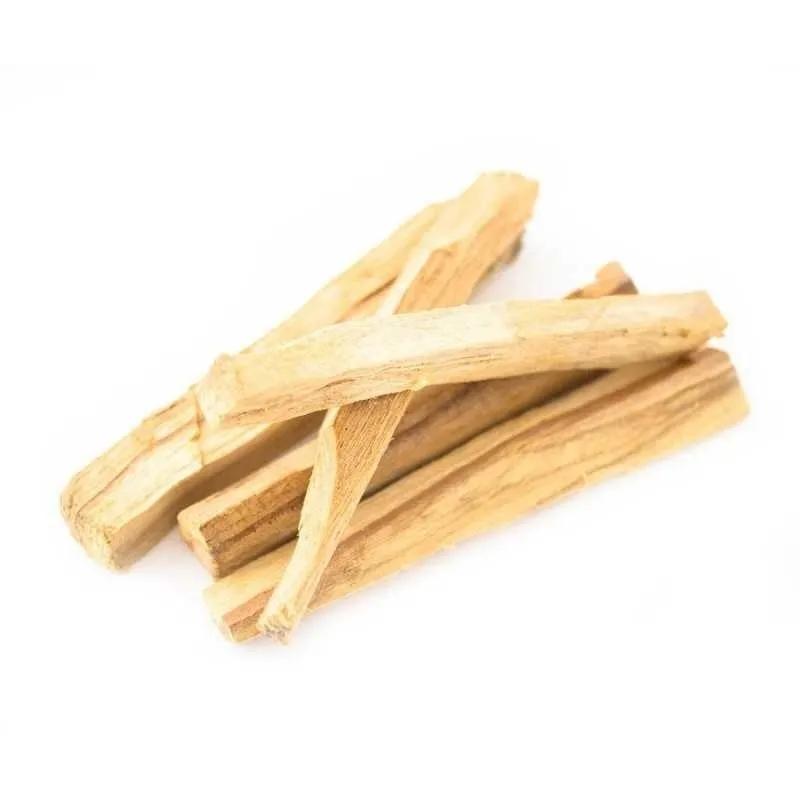
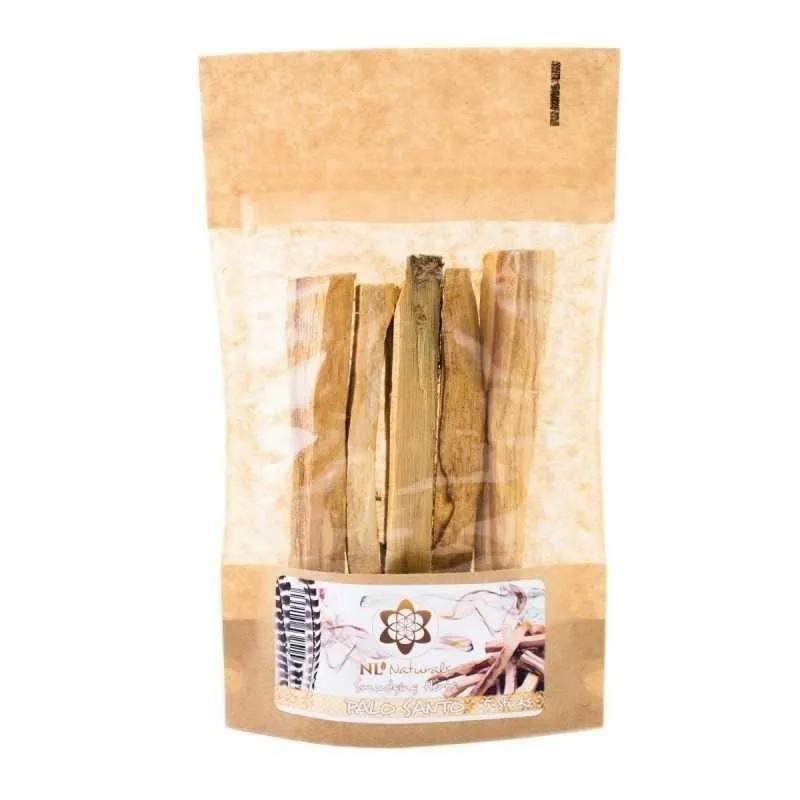
| Palo Santo | Sweet, woody, slightly resinous with a warm finish | Yoga, quiet evenings, background scent that doesn't overwhelm |
| Ganesh Nagchampa | Rich, floral, unmistakably Indian temple incense | Deep meditation, spiritual practice, anyone who loves that classic Nag Champa profile |
| Lavender | Soft, floral, clean — smells like a Provençal field in July | Winding down before bed, reading, creating a calm atmosphere |
| Lemon Grass | Bright, citrusy, sharp — cuts through stale air fast | Outdoor use, kitchens, freshening up a space quickly |
If you've never burned thick incense before, we'd point you towards Palo Santo first. It's the most universally liked — sweet enough to be pleasant, woody enough not to feel like air freshener. Ganesh Nagchampa is the one for anyone who's ever walked into a temple and wanted to bottle that smell.
Why Thick Herbal Incense Sticks Outperform Standard Sticks
Standard incense sticks — the thin ones on a bamboo core — burn for 20 to 45 minutes. That's fine if you want a quick hit of fragrance while you brew a cup of tea. But if you're setting up for an afternoon of focused work, a long meditation, or burning incense outdoors where wind disperses the smoke in seconds, thin sticks just don't cut it.
These thick sticks pack significantly more herbal material around the core. The result: a burn time of up to 10 hours per stick. That's not a typo. You light one in the morning, and it's still gently smoking when you come home. The thickness also means the smoke output is heavier and more consistent, which matters outdoors where a thin wisp of smoke simply vanishes. We've burned the Lemon Grass variant on a terrace in moderate wind and still caught the citrus scent from a couple of metres away — you won't get that from a standard stick.
The honest limitation? They produce more smoke than thin sticks. In a small, poorly ventilated room, that can get intense. Crack a window or use them in a larger space. According to a review published in the journal Environmental Science and Pollution Research, prolonged incense smoke exposure in enclosed spaces can pose health risks, so adequate ventilation is not just about comfort — it's common sense (Pant et al., 2022). A well-ventilated room or outdoor setting is the way to go, especially with sticks this size.
Specifications
| Spec | Detail |
|---|---|
| Type | Thick herbal incense stick |
| Materials | All-natural herbs and botanicals |
| Production | Handmade |
| Burn Time | Up to 10 hours per stick |
| Use | Indoor (ventilated) and outdoor |
| Variants | Sage, Palo Santo, Ganesh Nagchampa, Lavender, Lemon Grass |
| Quantity | 1 stick per unit |
Pair these with an incense holder or burner that can handle the thicker diameter — standard thin-stick holders won't grip properly. If you're burning for aromatherapy sessions, a set of essential oils alongside your incense gives you layered scent control. Check out our incense and aromatherapy section for holders and complementary products.
How Thick Herbal Incense Sticks Are Made
Each stick is handmade from all-natural herbal ingredients — no synthetic fragrances, no chemical binders, no dipped-and-sprayed shortcuts. The herbs are blended, shaped around a core, and dried. That handmade process means slight variations in thickness and burn rate between sticks, which is normal and actually a sign you're not getting a factory-extruded product. You can feel the texture when you hold one — it's dense, slightly rough, and has a noticeable weight compared to the featherlight sticks you'd pick up at a market stall.
The aroma profiles come from the herbs themselves, not from fragrance oils added after the fact. When you light a Sage stick, you're smelling actual sage burning. That's a meaningful difference. Synthetic-fragranced incense often has a sharp, chemical undertone once the initial burst fades. These don't — the scent stays consistent from first light to final ember.
How to Use Thick Herbal Incense Sticks
- Choose a heat-resistant incense holder or burner. The stick is thicker than standard incense, so make sure the holder's opening or clamp can accommodate it. A ceramic dish with sand or ash works well if your holder is too narrow.
- Place the holder on a stable, non-flammable surface away from curtains, papers, and anything that could catch a stray ember. These sticks produce more ash than thin incense — give them space.
- Light the tip of the stick with a match or lighter. Let the flame catch for 5–10 seconds until the tip glows orange.
- Gently blow out the flame. The stick should smoulder steadily, producing a thin, consistent stream of fragrant smoke.
- If using indoors, open a window or ensure the room has airflow. According to research published in Scientific Reports, indoor incense burning in poorly ventilated spaces may affect cognitive function over time (Guo et al., 2020). Good ventilation keeps the scent pleasant without the room becoming hazy.
- To extinguish early, press the glowing tip firmly into sand or a fireproof surface until it stops smoking. Don't use water — it can crack the stick and make relighting difficult.
- Store unused sticks in a dry place. Moisture degrades the herbs and makes them harder to light.
A Note on Incense Smoke and Ventilation
We sell incense because it smells brilliant and sets a mood like nothing else. But we're not going to pretend smoke is air. A review in the International Journal of Environmental Research and Public Health noted that incense smoke can interact with pre-existing conditions like respiratory sensitivity, and that long-term exposure in enclosed spaces warrants caution (Al-Rawaf et al., 2021). Another study in BMC Pulmonary Medicine examined the structural effects of prolonged incense smoke exposure on lung tissue in animal models (Alarifi et al., 2008).
What does that mean in practice? Burn in ventilated spaces. Don't hotbox your bedroom with a 10-hour incense stick and the windows sealed shut. Open a window, use them outdoors when the weather allows, and you'll get all the aroma with none of the downsides. These thick sticks are actually brilliant for outdoor use precisely because their heavier smoke output compensates for wind dispersal — that's where they really shine compared to thin sticks.
From Our Counter: What We've Noticed
We've been stocking incense since the shop opened in 1999, and the number one mistake people make with thick sticks is using a holder designed for thin ones. The stick either doesn't fit, wobbles, or falls over mid-burn and scorches the table. Get a proper holder — a flat dish with sand is the cheapest and most reliable option.
The second thing: people underestimate the burn time. You don't need to light a fresh stick every hour. One stick, properly lit, will carry you through an entire afternoon. If 10 hours is too long for your session, extinguish it in sand and relight later. The scent picks right back up where it left off.
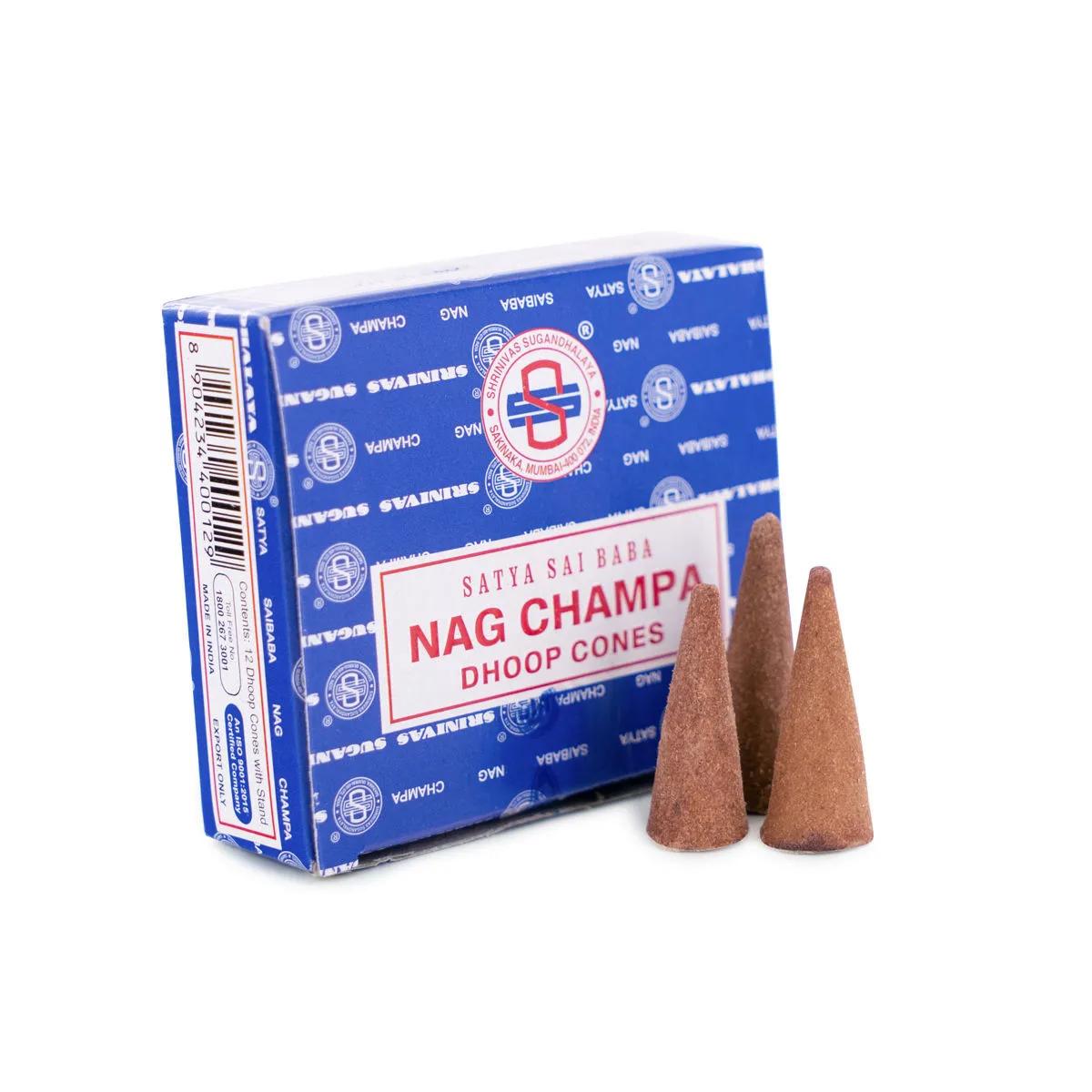
Compared to cone incense, these thick sticks produce a more gradual, even scent. Cones tend to intensify as they burn down to the base, which can get overpowering in a small room. Sticks keep a steady output from start to finish — more predictable, easier to live with over long periods.
Frequently Asked Questions
How long does one thick herbal incense stick burn?
Up to 10 hours per stick. Actual burn time varies slightly because they're handmade, but expect a minimum of 7–8 hours in still air. Outdoors with a breeze, it may burn slightly faster.
Can I use these thick incense sticks outdoors?
Yes — they're actually better suited to outdoor use than thin sticks. The thicker construction produces heavier smoke that doesn't vanish in a light breeze. Lemon Grass and Palo Santo are particularly good choices for terrace or garden use.
Do I need a special holder for thick incense sticks?
Standard thin-stick holders usually won't fit. Use a ceramic dish filled with sand or ash, or a holder specifically designed for thick-gauge incense. The stick needs to stand upright and stable for hours — don't risk it toppling over.
Are these incense sticks made with synthetic fragrances?
No. They're all-natural and handmade. The scent comes from the herbal ingredients themselves, not from added fragrance oils. That's why the aroma stays consistent throughout the burn rather than fading into a chemical undertone.
Is it safe to burn incense indoors?
With proper ventilation, yes. Open a window or door to maintain airflow. Research published in Scientific Reports suggests that burning incense in poorly ventilated indoor spaces over long periods may have cognitive effects (Guo et al., 2020). Common sense applies: don't seal the room shut with a 10-hour stick burning.
Can I extinguish the stick and relight it later?
Absolutely. Press the glowing tip into sand or a fireproof surface until it stops smouldering. When you're ready, relight it as normal. The scent profile doesn't change on the second burn.
Which aroma is best for meditation?
Ganesh Nagchampa is the classic choice — it's the traditional Indian temple incense scent. Palo Santo is a close second if you prefer something woodier and less floral. Both produce a steady, grounding aroma that doesn't distract.
Last updated: April 2026
Medical disclaimer. This content is for informational purposes only and does not constitute medical advice. Consult a qualified healthcare provider before use of any substance.