Cleaning supplies
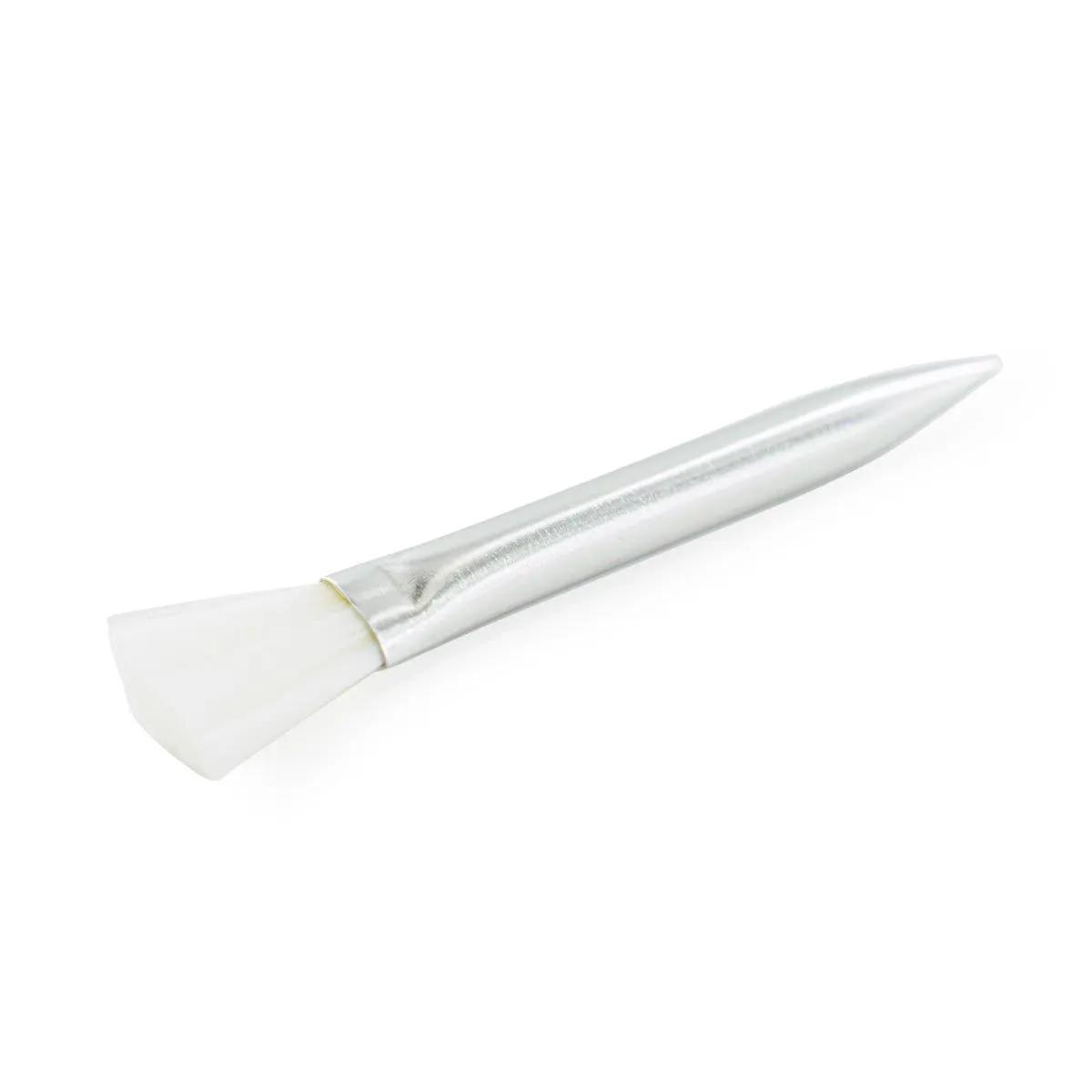
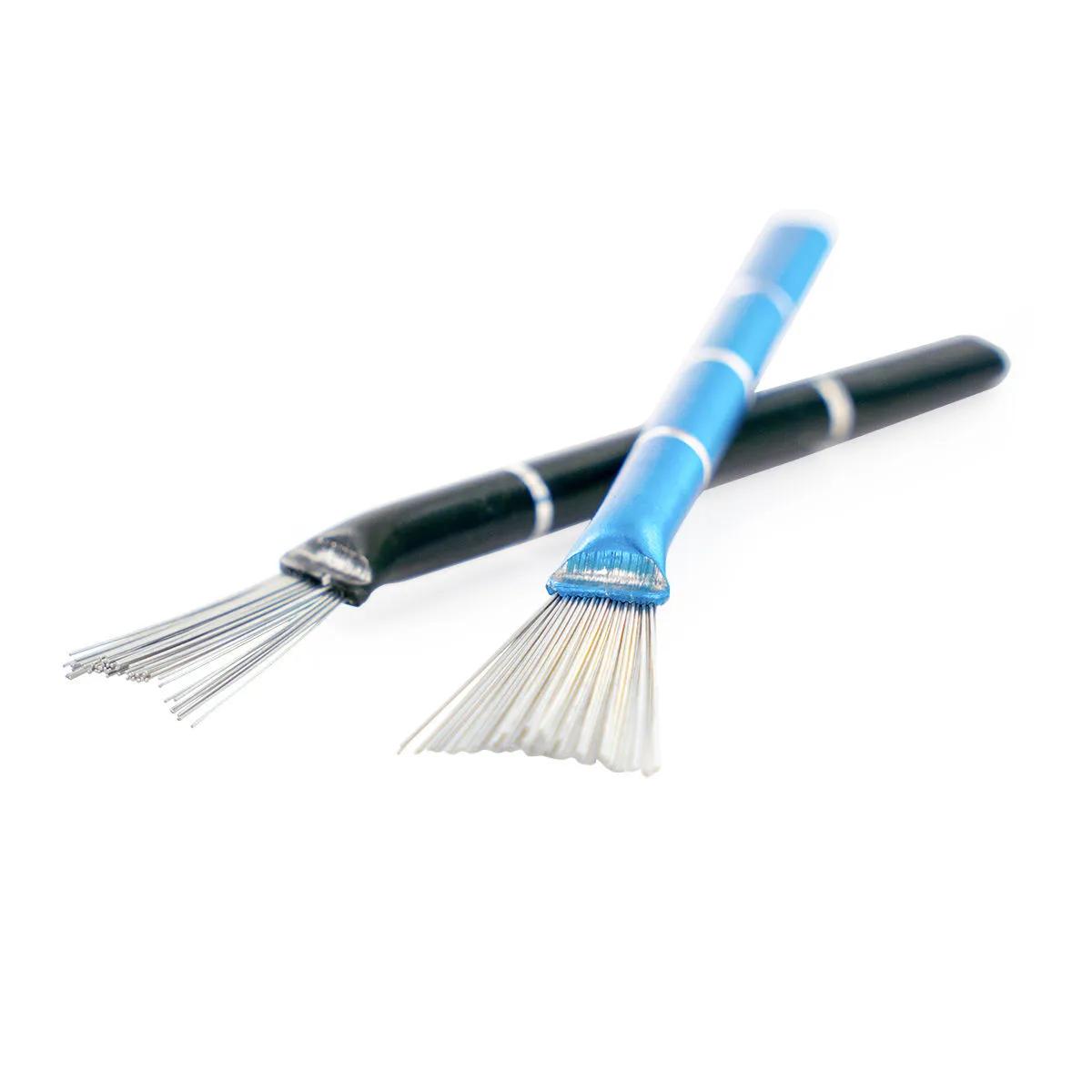
A screen brush is a compact stiff-bristled wire cleaning tool designed to scrub resin and buildup from pipe screens and the tight metal crevices of your smoking gear. It weighs next to nothing, fits in your hand like a pen, and gets into spots that cotton buds and pipe cleaners simply cannot reach. If you've ever held a clogged pipe screen up to the light and seen nothing but black, this is the fix.
| Spec | Value |
|---|---|
| SKU | HS0223 |
| Bristle type | Stiff wire |
| Primary use | Pipe screens and metal smoking device components |
| Reusable | Yes |
| Category | Cleaning supplies |
Pair this screen brush with a set of replacement brass or stainless steel pipe screens — once you've scrubbed the old ones clean, having fresh spares on rotation means you're never stuck with restricted airflow. A standard pipe cleaner handles the stem while this brush tackles the screen and bowl crevices, so grab both if you want the full cleaning kit.
Resin builds up fast. After 5-10 sessions, most metal pipe screens lose roughly 40-60% of their open mesh area to sticky residue. That means restricted airflow, uneven heating, and a stale taste that gets worse with every use. You end up pulling harder, which heats the bowl unevenly and wastes material.
We've watched customers try everything behind the counter — toothpicks, old toothbrushes, soaking screens in isopropyl overnight. Toothpicks bend or snap. Toothbrush bristles are too soft and too wide to get between the mesh wires. Soaking works eventually, but you're waiting 12-24 hours for something a 30-second scrub can sort out. The wire bristles on this screen brush are stiff enough to dislodge carbonised buildup without deforming the mesh itself. That's the difference between a clean screen and a damaged one.
One honest limitation: wire bristles will scratch polished or anodised surfaces. If your piece has a decorative finish on the bowl exterior, keep the brush on the screen and internal metal parts only. For the outside, a soft cloth and some cleaning solution is a better shout. But for raw metal, stainless steel screens, and the interior nooks of standard pipes, this brush does exactly what it should — nothing more, nothing less.
Since 1999, we've sold thousands of pipe screens and cleaning accessories. The single most common reason people come back for new screens isn't wear — it's neglect. A screen that gets cleaned every 3-5 uses with a proper wire brush can last months. One that never gets cleaned? You're replacing it every couple of weeks, and the flavour goes downhill well before that. A quick 30-second scrub after each session is the best habit you can build. This brush makes that easy enough that you'll actually do it.
Compared to brass-bristle brushes, which are softer and better for delicate glass components, this stiff wire screen brush is the best tool for metal screens specifically. The bristles won't bend or splay after a few uses the way softer materials do. If you're cleaning both glass and metal parts, you'd want one of each — but if it's just screens and metal bowls, this is the one we'd pick.
Every 3-5 sessions is a good rhythm. You'll notice airflow dropping off before that if you're using sticky material. A 30-second scrub with the wire screen brush after each session keeps things flowing properly and extends the screen's life by weeks.
On standard stainless steel or brass mesh screens, no. The wire bristles are stiff enough to remove resin but not hard enough to tear metal mesh. Avoid using it on very fine mesh screens (under 100 mesh count) or decorative finishes, where scratching is possible.
Not recommended. Wire bristles will scratch glass. For glass pieces, use a soft-bristle brush or pipe cleaners with isopropyl alcohol. This screen brush is designed specifically for metal components — screens, bowls, and metal downstems.
Soak the screen in 90%+ isopropyl alcohol for 5-10 minutes, then scrub with this wire brush. The alcohol dissolves the resin layer, and the stiff bristles remove whatever's left. Rinse under warm water and dry fully before use.
With regular use — cleaning a screen every few days — expect several months before the bristles start to splay. Tap it clean after each use and store it dry. Replacing it once or twice a year is typical for daily users.
Yes. Rinse the bristles under warm water after cleaning, knock off loose debris, and let it air dry. The wire bristles hold their shape through dozens of cleaning sessions.
Last updated: April 2026