Digital scales
by DIPSE
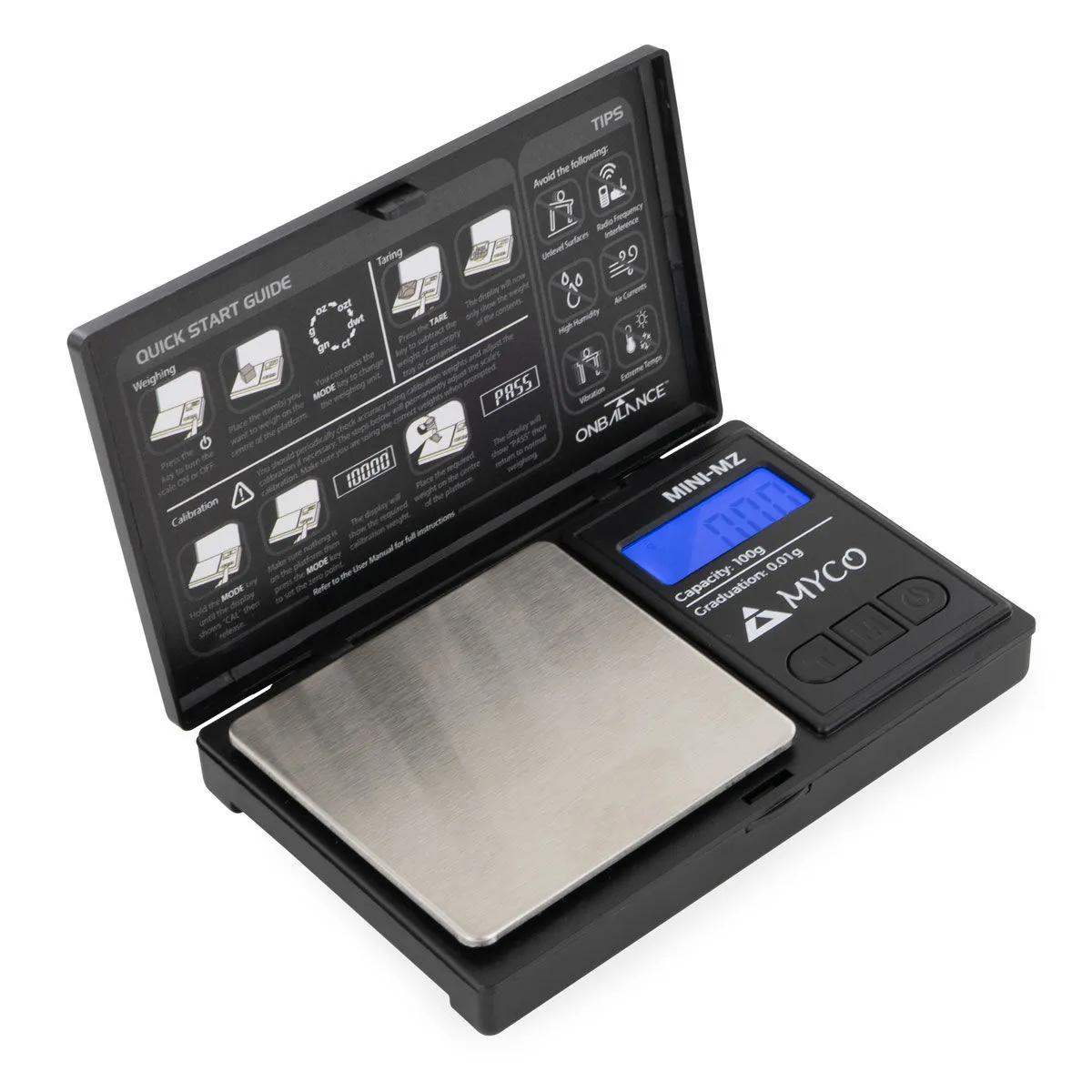
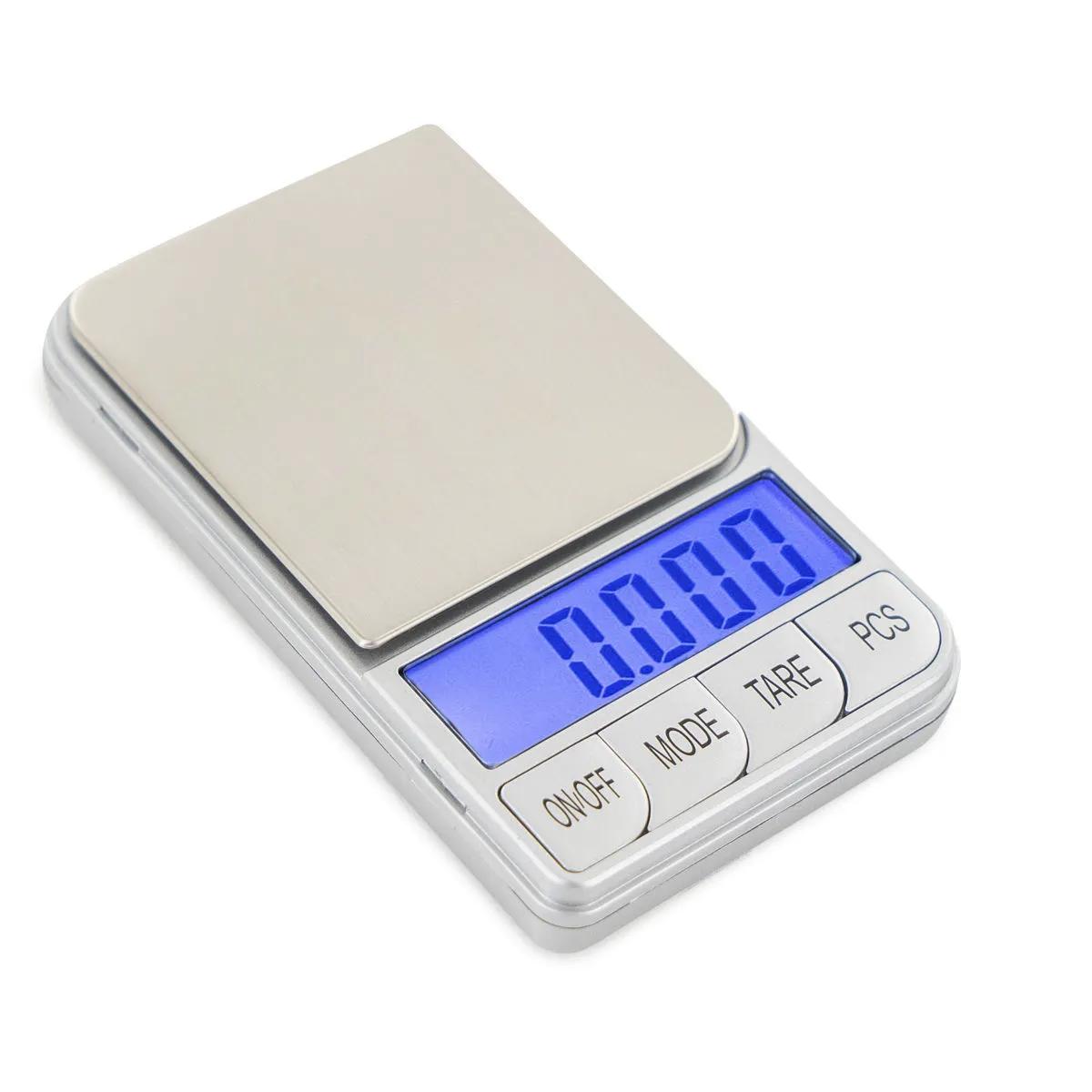
The Dipse AN 300 is a pocket-sized digital scale that reads down to 0.01g across a 300-gram range — enough precision for microdosing, gemstones, postal weighing, or anything else where "close enough" isn't good enough. Six weighing modes, oversized buttons, and a backlit LCD display that you can actually read without squinting. It runs on two AAA batteries (included), self-calibrates on startup, and the protective lid doubles as a weighing tray. Compact, accurate, no-nonsense.
This scale is available in Silver. If you need a different capacity or resolution, the Dipse range includes models from 100g to 3000g — but the AN 300 hits the sweet spot for most people who need hundredth-of-a-gram precision without a lab-grade price tag.
| Specification | Value |
|---|---|
| Maximum capacity | 300g |
| Accuracy | 0.01g (two decimal places) |
| Weighing modes | Gram, grain, carat, ounce, troy ounce, unit counting |
| Display | LCD with blue backlight |
| Power supply | 2x AAA batteries (included) |
| Tare function | Yes |
| Auto shut-off | Yes |
| Calibration | Automatic self-calibration on startup |
| Lid/tray | Protective lid doubles as weighing pan |
| SKU (Silver) | HS0127 |
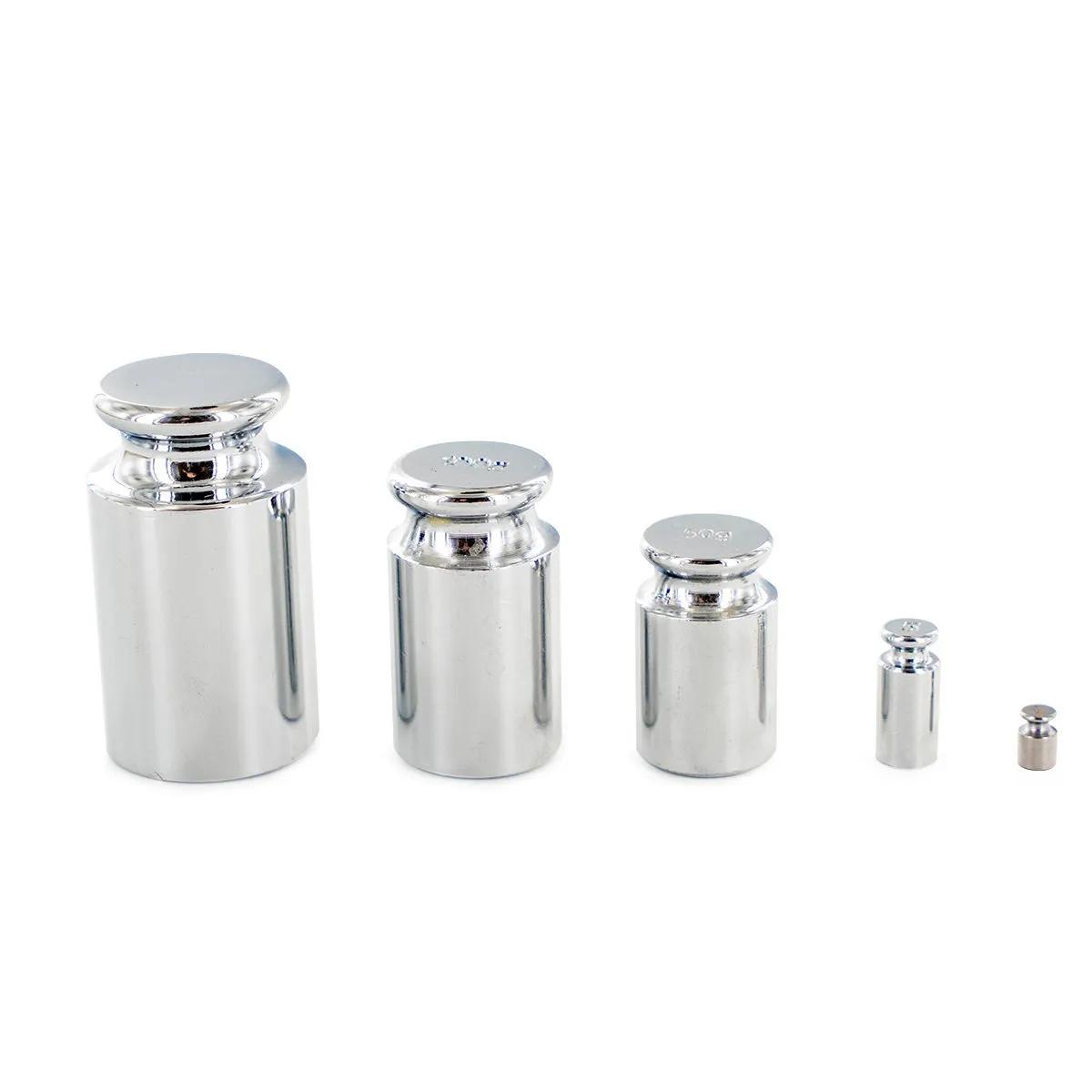
Complete your setup: pair the Dipse AN 300 with a set of calibration weights to verify accuracy over time, or pick up a small stainless steel weighing boat for powders that tend to scatter. If you're weighing herbs for preparation, a decent grinder like the SLX or Santa Cruz Shredder gives you a more consistent particle size — which means more consistent weights.
We've been selling scales since the early days of the shop, and the single most common mistake we see is people eyeballing quantities. A "pinch" of one substance can be 0.05g or 0.3g depending on your fingers, the grind, and how much coffee you've had that morning. That's a sixfold difference. When accuracy matters — and if you're reading this page, it matters to you — a proper 0.01g scale is the baseline tool.
The Dipse AN 300 sits in the middle of the range: enough capacity at 300g to handle most practical tasks, enough resolution at 0.01g to weigh with real confidence. Cheaper scales often advertise 0.01g but drift after a few months or struggle with anything under 0.1g. The AN 300's automatic self-calibration on every startup keeps readings honest. We've had these on the shop counter and they hold up well to daily use — the oversized buttons are genuinely easier to press than the fiddly little things on some pocket scales, and the blue-backlit LCD is readable even in dim rooms.
The honest limitation: like any pocket scale, it's sensitive to drafts and uneven surfaces. Weigh on a flat, stable table, away from open windows or fans. And if you're weighing very small amounts — under 0.05g — place a small container on the tray first, tare it, then add your material. That gives the sensor something to work with and improves accuracy at the low end. This isn't a flaw of the AN 300 specifically; it's how all scales in this price class behave. For true milligram precision below 0.01g, you'd need a dedicated milligram scale like the Dipse MTW series — but for 99% of what our customers weigh, the AN 300 does the job properly.
The Dipse AN 300 digital scale covers six units of measurement without needing to do mental arithmetic or look up conversion tables. Grams (g) handle everyday weighing. Grains (gn) are standard in reloading and traditional apothecary measurement — 1 grain equals roughly 0.065g. Carats (ct) are the go-to for gemstones, where 1 carat equals 0.2g. Ounces (oz) and troy ounces (ozt) cover postal and precious metal weighing respectively. The unit counting mode (pcs) lets you count small identical items — weigh 10, tell the scale it's 10, and it calculates the rest by average piece weight. Handy for beads, seeds, or small components.
| Mode | Unit | Common use |
|---|---|---|
| Gram | g | General weighing, herbs, powders |
| Grain | gn | Traditional apothecary, reloading |
| Carat | ct | Gemstones, jewellery |
| Ounce | oz | Postal, cooking (US recipes) |
| Troy ounce | ozt | Precious metals |
| Unit counting | pcs | Small identical items (seeds, beads) |
After 25+ years of selling digital scales from our Amsterdam shop, we can tell you the number one question is always the same: "Which scale should I get?" The answer depends on what you're weighing and how precise you need to be. If you're measuring anything where a 0.05g difference matters — and that includes a lot of botanicals, supplements, and craft ingredients — a 0.01g scale like the Dipse AN 300 is the right call. Scales that only read to 0.1g are fine for kitchen herbs by the tablespoon, but they're essentially guessing at smaller quantities.
The AN 300 feels solid in the hand — heavier than the ultra-cheap pocket scales you find on marketplace sites, which is actually a good sign. That weight means a sturdier load cell and less flex in the platform. The buttons have a satisfying click to them rather than the mushy, unresponsive pads on budget models. It's a small thing, but when you're taring and re-weighing multiple times in a session, it matters. The one thing we'd change: the lid-as-tray design works, but a separate stainless steel tray would be easier to clean. Keep a small glass dish handy and you're sorted.
It reads to 0.01g (two decimal places) across a 0-300g range. Self-calibration runs automatically every time you switch it on, which keeps drift in check. For best accuracy with very small amounts under 0.1g, tare a container first and weigh inside it.
Two AAA batteries, which are included in the box. The auto shut-off feature extends battery life — you'll get months of regular use from a single set.
The scale performs automatic self-calibration on startup. For manual calibration checks, place a known calibration weight (e.g., 100g or 200g) on the tray after startup and compare the reading. Dedicated calibration weights are sold separately.
Tare resets the display to zero with a container on the scale, so you only measure the contents — not the container. Place your dish or paper on the tray, press tare, wait for 0.00g, then add your material. You can tare multiple times in a session.
Yes, it can register down to 0.01g. At the very bottom of its range, use a tared container and a draught-free surface for the most reliable readings. For anything below 0.01g, you'd need a dedicated milligram scale.
Place a known number of identical items on the tray (e.g., 10 seeds), tell the scale the count, and it calculates the average piece weight. Then add more items and the display shows the total count. Works best with items that are uniform in size and weight.
Three things: resolution (0.01g vs 0.1g), capacity (how much it can weigh), and build quality. The Dipse AN 300 covers all three well for most uses — 0.01g resolution, 300g capacity, and a solid build. If you need more capacity, look at the Dipse HC 3000, but it only reads to 0.1g.
Last updated: April 2026