
Top Cannabis Influencers and Entrepreneurs Shaping 2026
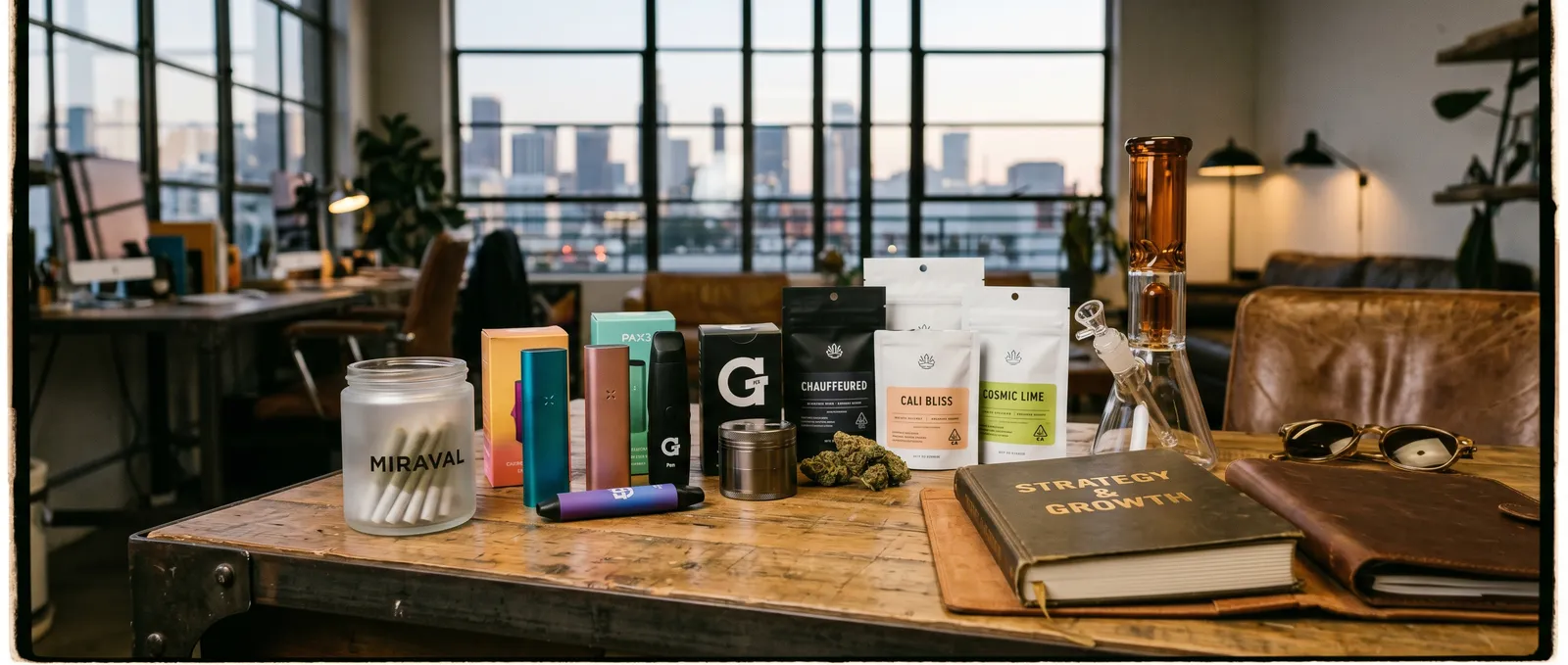
Cannabis influencers are individuals — celebrities, content creators, and entrepreneurs — who shape how the world grows, buys, and thinks about cannabis through their platforms, brands, and advocacy. Cannabis culture has always had its spokespeople, from counterculture icons of the 1960s to the dispensary owners of today. But in 2026, the most influential voices in cannabis aren't just smoking it on camera. They're building brands, funding research, shifting policy, and turning a plant into a multi-billion-dollar global industry. The celebrity cannabis entrepreneur is no longer a novelty. It's a business model.
From Our Counter: We've watched the cannabis industry evolve since we opened our doors in Amsterdam in 1999. Back then, "cannabis brand" meant a coffeeshop name on a menu board. Today, it means publicly traded companies, celebrity equity stakes, and product lines that rival craft beer in their sophistication. The shift has been staggering — and these are the people driving it.
This guide covers the biggest cannabis influencers and entrepreneurs shaping the market right now — who they are, what they've built, and why it matters for the wider culture. Whether you want to order seeds to grow the same genetics these brands are scaling, or simply understand who drives cannabis culture, this is your starting point. This is written for adults aged 18 and over.
Top Cannabis Influencers Turning Fame Into Real Brands
The most successful cannabis influencers in 2026 are full-spectrum business operators involved in cultivation, product development, and retail strategy at a level that would surprise most people. The line between cannabis influencer and cannabis mogul barely exists anymore. The biggest names in the space aren't just lending their faces to pre-roll packaging.
Snoop Dogg: The Godfather of Celebrity Cannabis
Snoop Dogg's relationship with cannabis is older than most of his audience. His brand, Death Row Cannabis (rebranded after he acquired Death Row Records in 2022), operates across multiple US states. According to Headset market data (2025), Death Row Cannabis generated over $45 million in tracked retail sales across California, Michigan, and Washington in its first full year. That's not a vanity project — that's a functioning CPG company.
What sets Snoop apart is consistency. He's been openly pro-cannabis for over 30 years, which gives the brand an authenticity that newer celebrity entrants can't replicate overnight. His partnership with cannabis tech company Dutchie for point-of-sale integration shows he's thinking about infrastructure, not just flower.
Wiz Khalifa: From Stoner Anthem to Seed-to-Sale
Wiz Khalifa launched Khalifa Kush (KK) back in 2016, making him one of the earliest celebrity-to-cannabis crossovers. By 2026, KK operates cultivation facilities in Nevada and Michigan, with reported annual revenues exceeding $30 million (Cannabis Business Times, 2025). The strain itself — an OG Kush phenotype selected by Khalifa personally — has won multiple Cannabis Cup awards.
Khalifa's approach is hands-on. He's publicly discussed his involvement in phenotype selection and has visited his grows regularly, which is more than most celebrity brands can claim. KK's product line now spans flower, concentrates, edibles, and a CBD wellness range.
Seth Rogen: Design-Forward Cannabis With Houseplant
Seth Rogen's Houseplant, launched in Canada in 2019 and expanded to California in 2021, takes a different angle entirely. Rogen positioned Houseplant as a design and lifestyle brand first, cannabis brand second. The ceramic housewares line (ashtrays, vases, lighters) reportedly outsold the actual cannabis products in its first US quarter.
That's clever positioning. By building brand equity through non-plant-touching products, Houseplant sidesteps many of the advertising restrictions that hamstring cannabis-only brands. According to a 2025 MJBizDaily report, Houseplant's accessories division accounts for roughly 40% of total revenue — a ratio unheard of in the cannabis space.
| Entrepreneur | Brand | Launch Year | Key Markets | Product Focus |
|---|---|---|---|---|
| Snoop Dogg | Death Row Cannabis | 2022 | CA, MI, WA | Flower, pre-rolls, edibles |
| Wiz Khalifa | Khalifa Kush | 2016 | NV, MI | Flower, concentrates, CBD |
| Seth Rogen | Houseplant | 2019 | CA, Canada | Flower, accessories, housewares |
| Jay-Z | Monogram | 2020 | CA | Premium flower |
| Mike Tyson | Tyson 2.0 | 2021 | Multi-state | Flower, edibles, concentrates |
| Bella Thorne | Forbidden Flowers | 2019 | CA | Flower, pre-rolls |
Cannabis Content Creators Shaping How People Learn and Buy
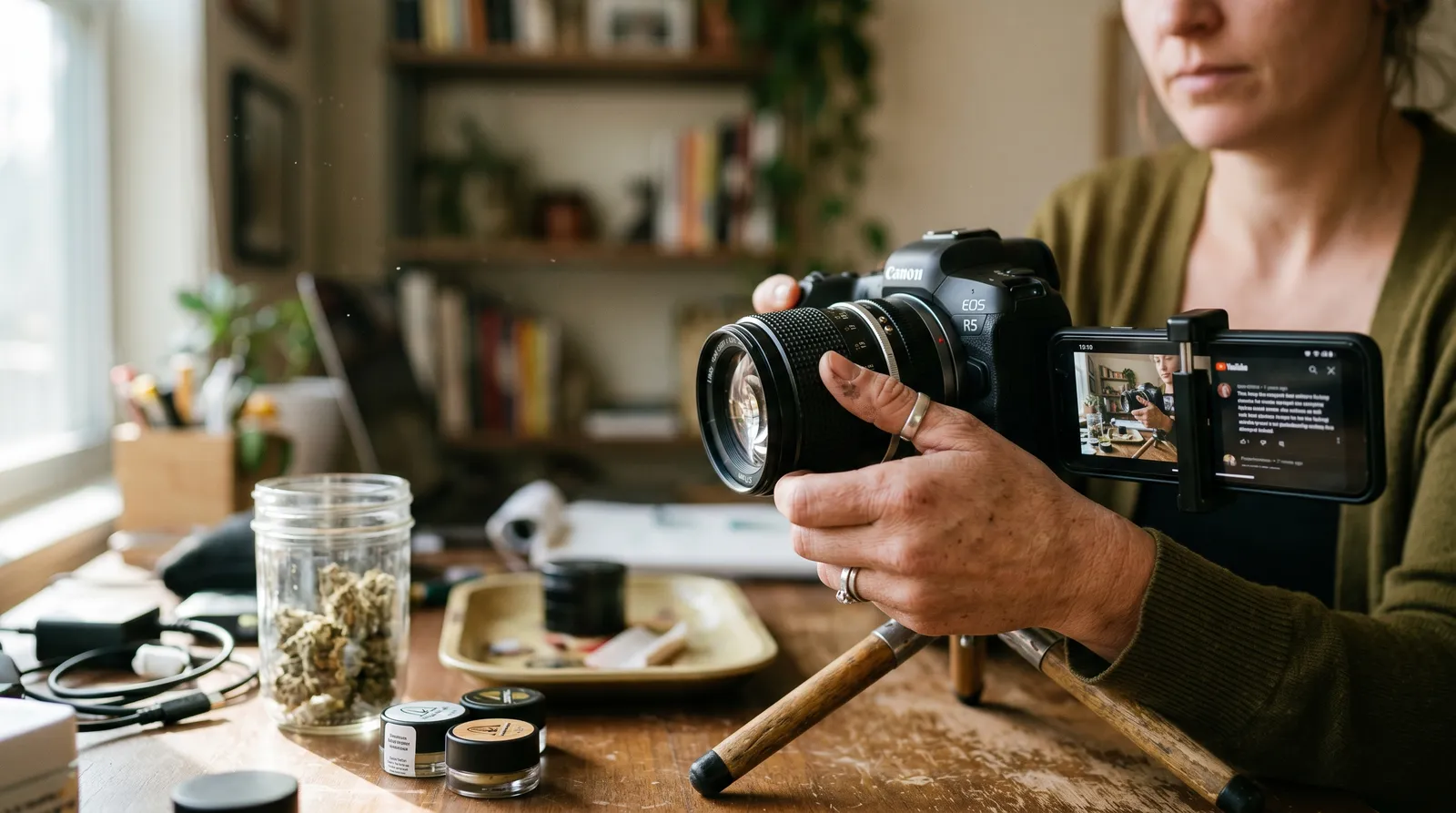
Cannabis content creators are the primary discovery channel for new products and strains in markets where traditional advertising is banned. Celebrity entrepreneurs get the headlines, but the day-to-day conversation around cannabis is driven by creators with audiences of 500,000 to 5 million who post reviews, growing tutorials, and strain breakdowns multiple times a week. Their influence on purchasing decisions is, by some metrics, larger than the celebrities.
Dope as Yola: Cannabis Storytelling With Substance
Dope as Yola (real name: Yolanda) built one of YouTube's largest cannabis channels — over 1.8 million subscribers as of early 2026 — through strain reviews that feel more like short films than product demos. His production quality and narrative approach set a standard that most cannabis creators still chase.
What makes Yola's content effective from a market perspective is his honesty. He'll pan an expensive eighth on camera without hesitation, which gives his positive reviews actual weight. According to a 2025 Brightfield Group consumer survey, 23% of US cannabis consumers aged 21–35 said YouTube reviews influenced their last purchase — and Yola consistently ranks as the most-cited creator.
Koala Puffs: Building a Cannabis Media Empire
Anjela, known as Koala Puffs, has grown from Instagram smoke sessions to a full media operation — podcast, YouTube channel (1.2 million subscribers), merchandise line, and brand consultancy. Her content leans into humour and accessibility, which has brought in an audience that skews younger and more female than the cannabis content average.
The business model here is worth noting. Rather than launching her own cannabis brand (which requires licensing, capital, and compliance infrastructure), Koala Puffs monetises through sponsorships, affiliate deals, and her own non-plant-touching product lines. It's lower risk, higher margin, and doesn't require a single cultivation licence.
BigMike Straumietis: The Grower's Influencer
BigMike Straumietis, founder of Advanced Nutrients, occupies a different niche entirely. His audience isn't consumers — it's cultivators. With over 800,000 Instagram followers and a reputation built on decades in the nutrient and growing space, BigMike influences what growers feed their plants, which in turn shapes what ends up on dispensary shelves.
Advanced Nutrients reportedly holds around 15% of the North American cannabis nutrient market (New Cannabis Ventures, 2025). That's influence measured in tonnes of fertiliser, not likes.
From Our Counter: We'll be honest about a limitation here: most of the data on cannabis influencer impact comes from North American market research. European-specific numbers are harder to pin down because the market is younger and more fragmented. We rely on EMCDDA monitoring reports and Prohibition Partners data where available, but the granularity just isn't there yet. Take US-centric claims with a grain of salt when applying them to Amsterdam or Berlin.
| Creator | Platform | Audience Size | Content Focus | Revenue Model |
|---|---|---|---|---|
| Dope as Yola | YouTube | 1.8M subscribers | Strain reviews, culture | Ad revenue, sponsorships |
| Koala Puffs | YouTube / Instagram | 1.2M+ combined | Lifestyle, humour, reviews | Sponsorships, merchandise |
| BigMike Straumietis | 800K+ | Cultivation, nutrients | Advanced Nutrients (own brand) | |
| Kimmy Tan | TikTok / Instagram | 600K+ combined | Fashion meets cannabis | Brand partnerships, content |
| Rawkandroll | Instagram / YouTube | 500K+ | Concentrate reviews, dabbing | Sponsorships, affiliate |
Why Cannabis Influencers Matter Beyond Social Media Followers
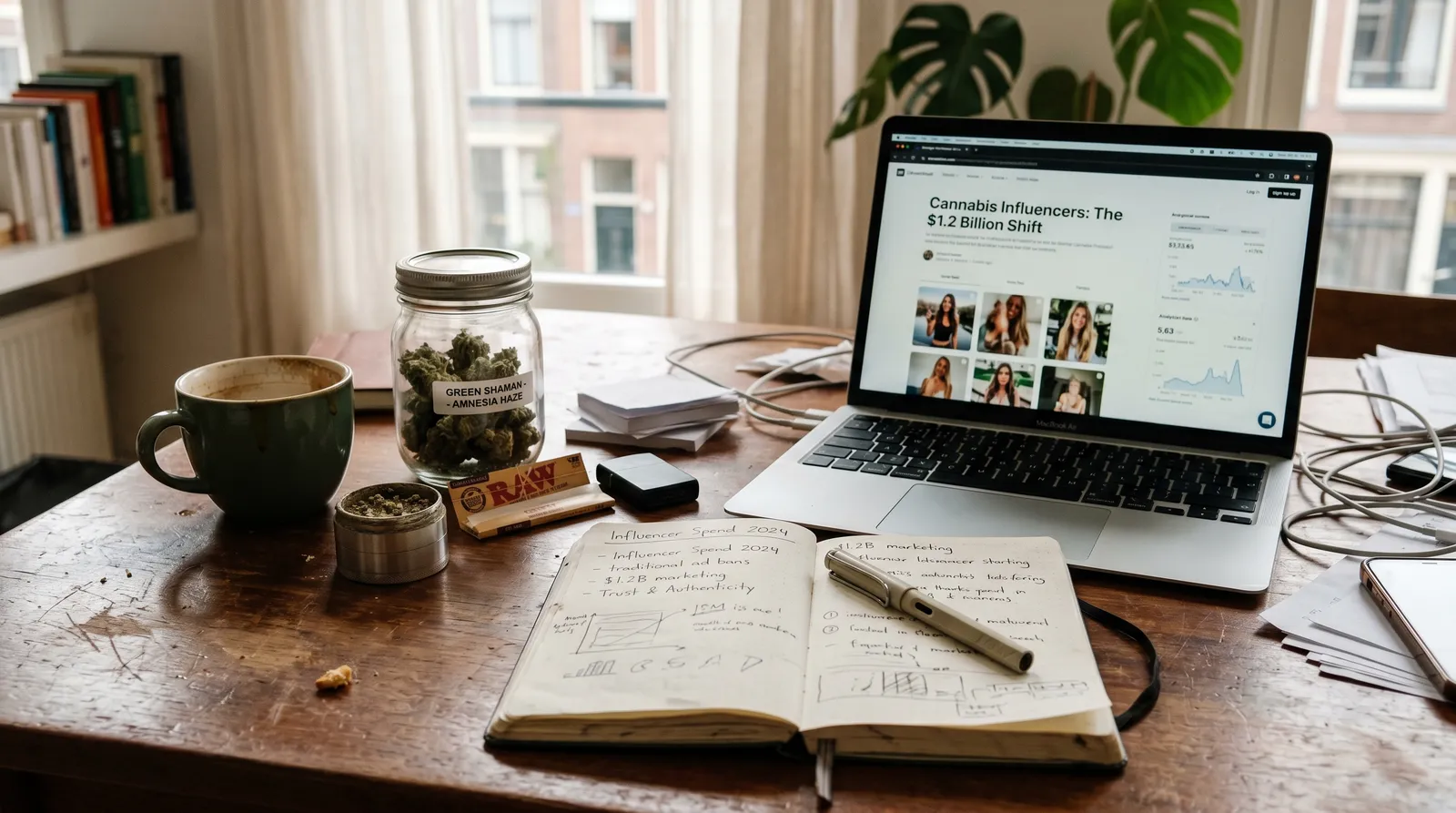
Cannabis influencers drive an estimated $1.2 billion in annual marketing spend because traditional advertising channels remain closed to the industry. In a sector where Google, Meta, and most broadcast media restrict cannabis ads, influencer marketing isn't a nice-to-have — it's often the only scalable customer acquisition channel available.
The Advertising Gap That Created the Influencer Economy
Google Ads prohibits cannabis advertising in all markets. Meta restricts it heavily. TikTok bans it outright. That leaves cannabis brands with three options: SEO, events, and cannabis influencers. According to a 2025 report by Whitney Economics, the US cannabis industry spent an estimated $1.2 billion on influencer and content marketing in 2024 — up 34% from the previous year.
That money flows to creators because they can do what brands cannot: show the product being used, describe its effects, and recommend it to a specific audience. The policy gap has made cannabis one of the most influencer-dependent industries on earth.
From Advocacy to Policy: The Bigger Picture
The impact goes beyond sales. Snoop Dogg and Jay-Z have both funded expungement programmes for cannabis-related convictions. Seth Rogen's Hilarity for Charity organisation, while primarily focused on Alzheimer's research, has used its platform to advocate for cannabis policy reform. Wiz Khalifa has spoken at multiple state-level hearings on licensing equity.
- Celebrity brands normalise cannabis as a consumer product, reducing stigma at the cultural level
- Content creators educate consumers on quality, safety, and responsible use — filling a gap that policy hasn't addressed
- Influencer-driven demand creates market pressure for better products, pushing cultivators toward higher standards
- Advocacy work by high-profile cannabis influencers accelerates policy reform in ways that lobbying alone cannot
- The fashion-cannabis crossover (led by creators like Kimmy Tan) is bringing cannabis culture into mainstream retail and media
From Our Counter: We've sold cannabis seeds from our Amsterdam shop for over 25 years, and the shift in who buys them tells the story better than any market report. It used to be almost exclusively hobbyist growers. Now we see designers, chefs, and small-business owners browsing the seed catalogue with the same seriousness they'd bring to sourcing coffee beans. The cannabis influencers effect is real — it's changed who grows, what they grow, and why. If you want to get started yourself, browse our feminized cannabis seeds or autoflowering cannabis seeds — the same genetics these brands are scaling, just without the celebrity markup.
What This Means for European Cannabis Culture
European cannabis markets are roughly five to seven years behind North America in commercialisation, but the cannabis influencers model is already taking root. According to the EMCDDA's 2025 European Drug Report, cannabis remains the most widely used substance in the EU, with an estimated 22.6 million adults having used it in the past year. Most of the big celebrity cannabis brands operate in North America, but their cultural influence is global. European markets — particularly Germany (which began adult recreational access in April 2024), the Netherlands, and Spain — are watching the US model closely. According to Prohibition Partners' European Cannabis Report (2025), the EU market is projected to reach €3.2 billion by 2028.
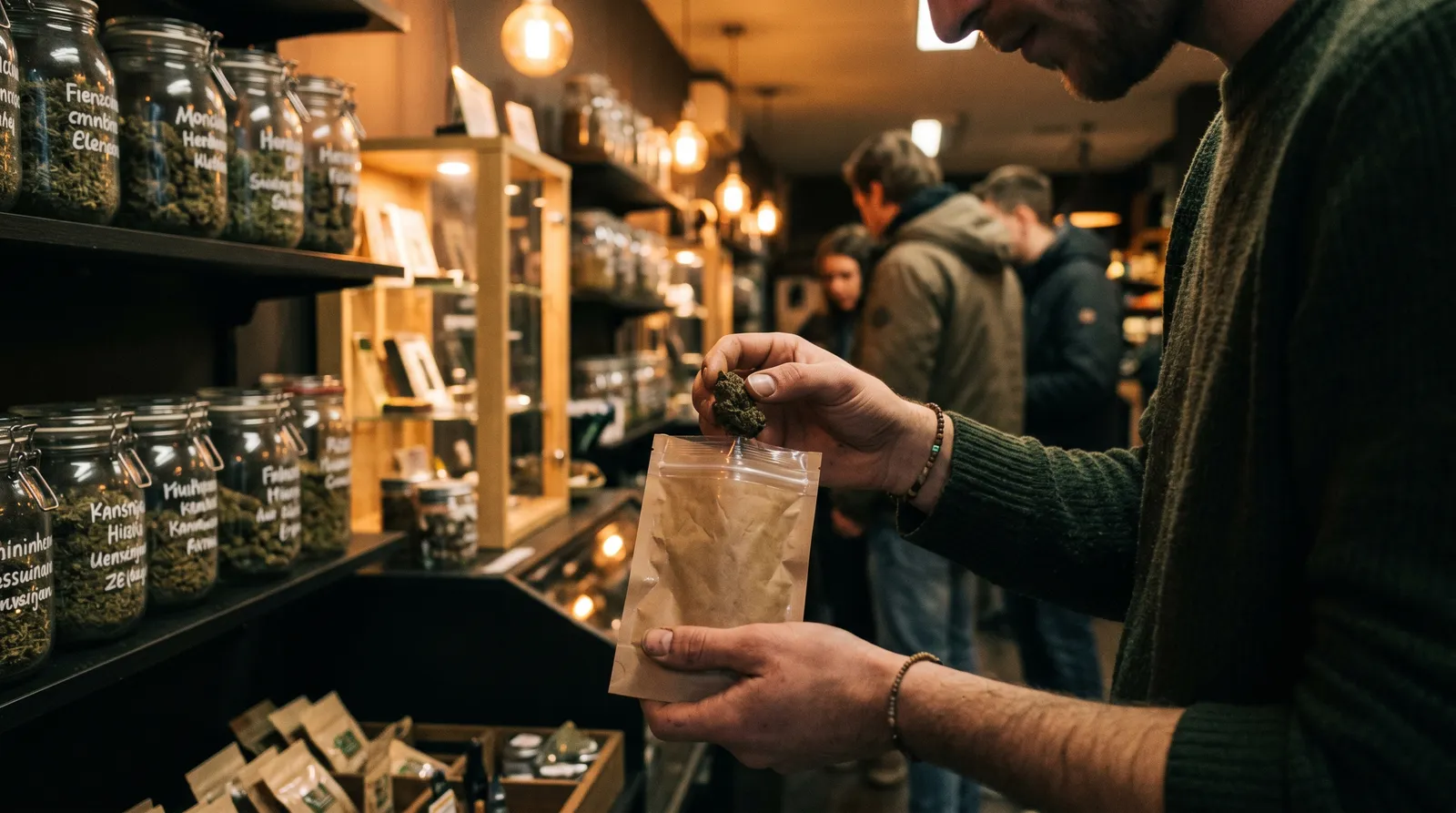
The influencer playbook will look different here. European advertising policy frameworks are stricter, and the market is fragmented across 27 policy frameworks. But the core dynamic — restricted advertising channels pushing brands toward creator partnerships — applies just as strongly. If you're growing at home with seeds from our catalogue, you're already part of this story. The Beckley Foundation's ongoing research into cannabis policy models provides useful context for understanding how European frameworks may evolve differently from the American approach.
Celebrity Cannabis vs. Craft Cannabis: A Grower's Comparison
Here's something we don't see discussed enough in the cannabis influencers conversation: celebrity brands and home growers are often working with the same genetics. When Wiz Khalifa's Khalifa Kush sells an OG Kush phenotype, that lineage traces back to the same gene pool available in seed form from breeders like Dutch Passion, Royal Queen Seeds, and Barney's Farm — all of which you can buy from our seed catalogue.
The difference is scale, not quality. Celebrity operations run industrial grows with standardised inputs. A home grower with good seeds, proper nutrients, and a decent grow tent can produce flower that matches or exceeds dispensary quality. We've seen it firsthand — customers bring in samples from their home grows that rival anything on a coffeeshop menu. The cannabis influencers driving the industry are working with the same plant you are. The gap is marketing budget, not biology.
The Amsterdam Perspective: What US Cannabis Influencers Get Wrong About Europe
We notice this constantly when American cannabis influencers visit Amsterdam and post content: they treat the Netherlands as if it's a fully open commercial market. It isn't. The Dutch gedoogbeleid (tolerance policy) permits coffeeshop sales but technically leaves cultivation and supply in a grey area. Germany's 2024 model is different again — personal cultivation of up to three plants is permitted, but commercial sales remain tightly controlled through cannabis social clubs.
When US-based cannabis influencers project American market dynamics onto Europe, they miss these nuances entirely. The European cannabis influencer space will likely develop its own character — more focused on home cultivation, harm reduction, and policy education than on brand-building and product reviews. For European growers looking to get started, our vaporizer collection and cannabis seed range are built for exactly this market.
How Cannabis Influencers Compare to Influencers in Other Restricted Industries
From Our Counter: One thing we find fascinating — and rarely discussed — is how the cannabis influencer economy mirrors what happened in craft spirits and vaping. Both industries faced advertising restrictions that pushed marketing spend toward creators and community-driven content. The difference is speed. The craft spirits influencer wave took roughly a decade to mature. Cannabis influencers reached the same level of commercial sophistication in about four years, partly because the audience was already there, waiting for someone to talk openly about what they were already consuming.
We see this pattern in our own shop. Customers who discover a strain through a YouTube review or Instagram post often arrive already knowing the terpene profile, the expected yield, and the ideal growing conditions. That level of pre-purchase education simply didn't exist five years ago. Cannabis influencers have compressed the knowledge gap between casual consumer and informed grower in a way that benefits everyone — including the people who order seeds from us and grow their first plant based on a creator's recommendation.
The best cannabis influencers to follow depend on what you're after. For strain reviews, Dope as Yola sets the standard. For cultivation knowledge, BigMike Straumietis. For the intersection of cannabis and lifestyle, Koala Puffs and Kimmy Tan. And for watching how celebrity capital reshapes an entire industry in real time, keep an eye on what Snoop, Wiz, and Rogen build next. If you want to order the same genetics these cannabis influencers are building empires around, browse our cannabis seeds catalogue — same strains, no celebrity markup. You can also get a quality vaporizer from our collection to enjoy your harvest properly.
Questions fréquentes
5 questionsWho is the most followed cannabis influencer in 2026?
How do cannabis influencers make money if advertising is restricted?
Are celebrity cannabis brands actually good quality?
What cannabis influencers should European growers follow?
How do cannabis influencers affect what seeds and strains become popular?
À propos de cet article
Adam Parsons is an external cannabis and psychedelics writer and editor who contributes to Azarius's wiki as both author and reviewer. On the writing side, he authors Azarius's kratom and kanna clusters, drawing on exten
Cet article de blog a été rédigé avec l’aide de l’IA et relu par Adam Parsons, External contributor. Supervision éditoriale par Joshua Askew.
Dernière relecture le 23 avril 2026