
Cet article traite de substances psychoactives destinées aux adultes (18+). Consultez un médecin si vous avez une pathologie ou prenez des médicaments. Notre politique d'âge
US Psychedelic Reform Hits Record High — 100+ Bills in 2026

One hundred bills. Thirty-five states. And March 2026 alone added eleven more across seven jurisdictions. If you've been paying even casual attention to psychedelic policy in the United States, the scale of what's happening right now is hard to overstate. This is no longer a handful of progressive cities passing symbolic resolutions — this is a nationwide legislative wave that's touching red states, blue states, and everything in between.
We've been in the psychedelic space since 1999 — selling
magic truffles
Browse selectionHere's what's actually happening, what it means, and why we think the psychedelic renaissance is no longer a prediction. It's a fact.
From Our Counter
We've noticed a shift in customer conversations over the past two years. It used to be "is this stuff safe?" Now it's "I read the Johns Hopkins study" or "my therapist mentioned psilocybin." The stigma isn't gone, but it's cracking fast — and the US legislative data backs up what we're hearing in the shop.
The Numbers — What's Actually Happening in 2026
Let's start with the raw data, because the scale is the story. As of March 2026, over 100 psychedelic-related bills have been introduced across 35 US states. That's not 100 bills total since the movement began — that's 100 bills active in current legislative sessions. March alone saw 11 new filings across Arizona, California, Missouri, New Hampshire, New York, Texas, and Virginia.
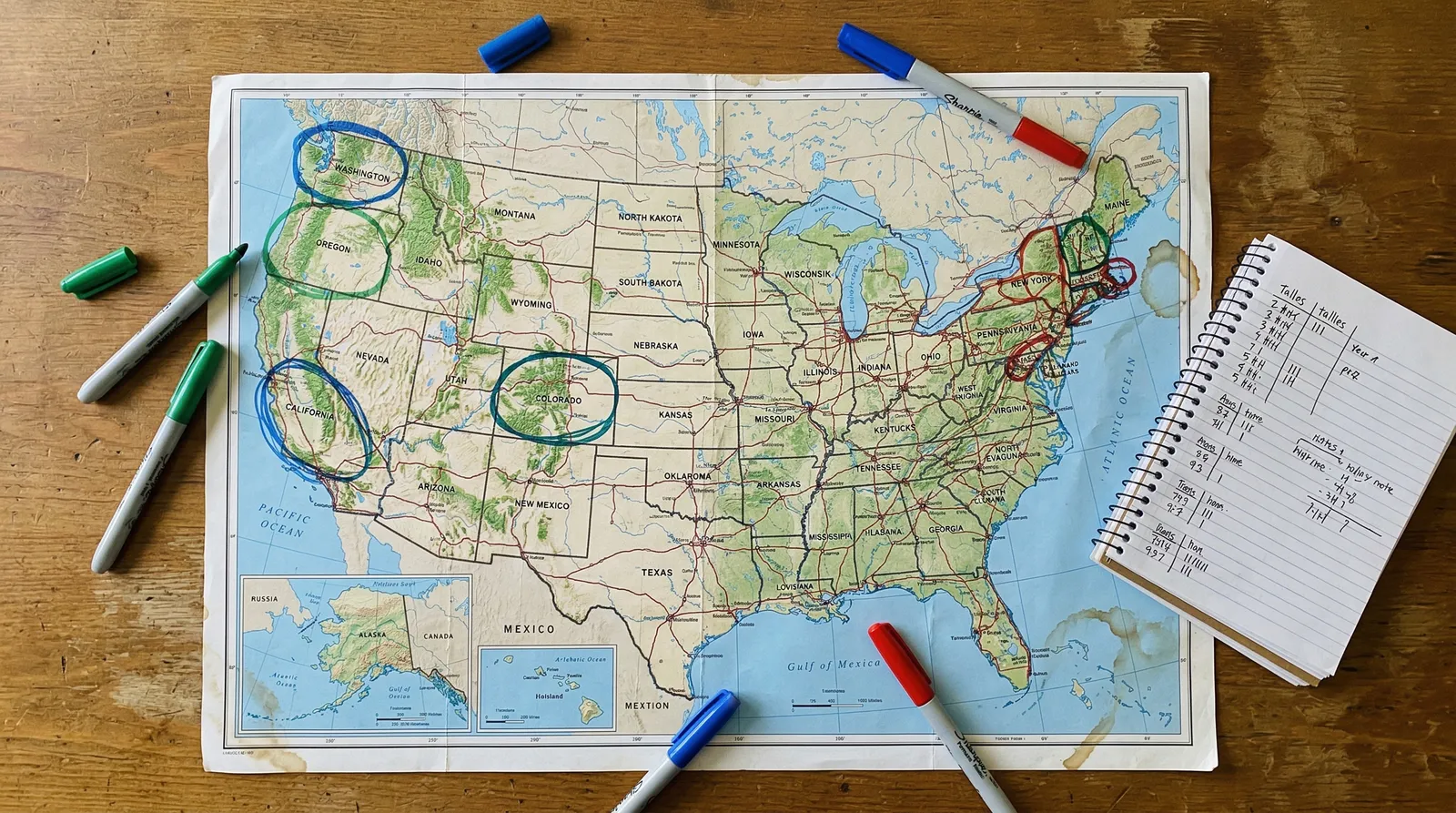
These aren't all the same type of bill. The psychedelic reform movement has matured past the point of one-size-fits-all proposals. What's on the table in 2026 breaks down into four broad categories:
| Bill Type | What It Does | Key States |
|---|---|---|
| Therapeutic access | Allows psilocybin or MDMA in supervised clinical settings | Oregon (active), Colorado (active), California, New York |
| Decriminalization | Removes criminal penalties for personal possession/use | Multiple cities already passed; state-level bills in Missouri, Virginia |
| Research funding | Allocates state money for clinical trials and studies | Texas, New Hampshire, Arizona |
| Regulated adult use | Creates a legal framework for non-medical use with regulation | California (most advanced proposal), Colorado (partial) |
Oregon and Colorado are the furthest along — both have operational therapeutic programmes where adults can access psilocybin in licensed facilities. Oregon's programme launched in 2023 and has served thousands of clients. Colorado followed with its own model. What's new in 2026 is that a dozen other states are no longer watching from the sidelines — they're drafting their own versions.
The veteran lobby has been particularly effective. Multiple bills in Texas and Arizona are framed around PTSD treatment for military veterans, and that framing has brought Republican co-sponsors to the table in states where "psychedelic reform" would have been politically toxic five years ago.
Why Now? The Psychedelic Renaissance Explained
The term "psychedelic renaissance" has been floating around academic circles since the early 2010s, when institutions like Johns Hopkins and Imperial College London began publishing rigorous clinical data on psilocybin. But a renaissance needs more than research papers — it needs cultural momentum, institutional support, and a crisis big enough to force open doors that were bolted shut for decades.

The mental health crisis provided that crisis. Depression, anxiety, PTSD, addiction — the numbers have been climbing steadily for years, and the existing pharmaceutical toolkit has well-documented limitations. SSRIs work for some people some of the time. Talk therapy helps but takes years. The treatment gap is enormous, and clinicians are frustrated. When Johns Hopkins published data showing that a single psilocybin session could produce lasting reductions in treatment-resistant depression, it wasn't just researchers who paid attention — it was the entire mental health establishment.
The FDA designated psilocybin a "breakthrough therapy" for depression in 2018 and MDMA for PTSD in 2017. Those designations aren't endorsements — they're fast-track mechanisms that say, in effect, "this looks promising enough to skip the normal queue." The clinical trials that followed have been overwhelmingly positive. A 2024 meta-analysis in The Lancet Psychiatry confirmed significant and lasting symptom reduction across multiple psilocybin trials.
Public opinion has followed the data. Gallup polling in 2025 showed 61% of Americans support legal access to psilocybin therapy — up from 38% just five years earlier. That kind of shift doesn't happen without a combination of personal stories (veterans, cancer patients, people with treatment-resistant depression going public about their experiences), media coverage, and the slow erosion of the "drugs are drugs" framing that dominated policy for half a century.
What This Means for You (From Amsterdam)
Watching the US psychedelic reform movement from Amsterdam is a strange experience. We've been selling
psilocybin truffles
Browse selection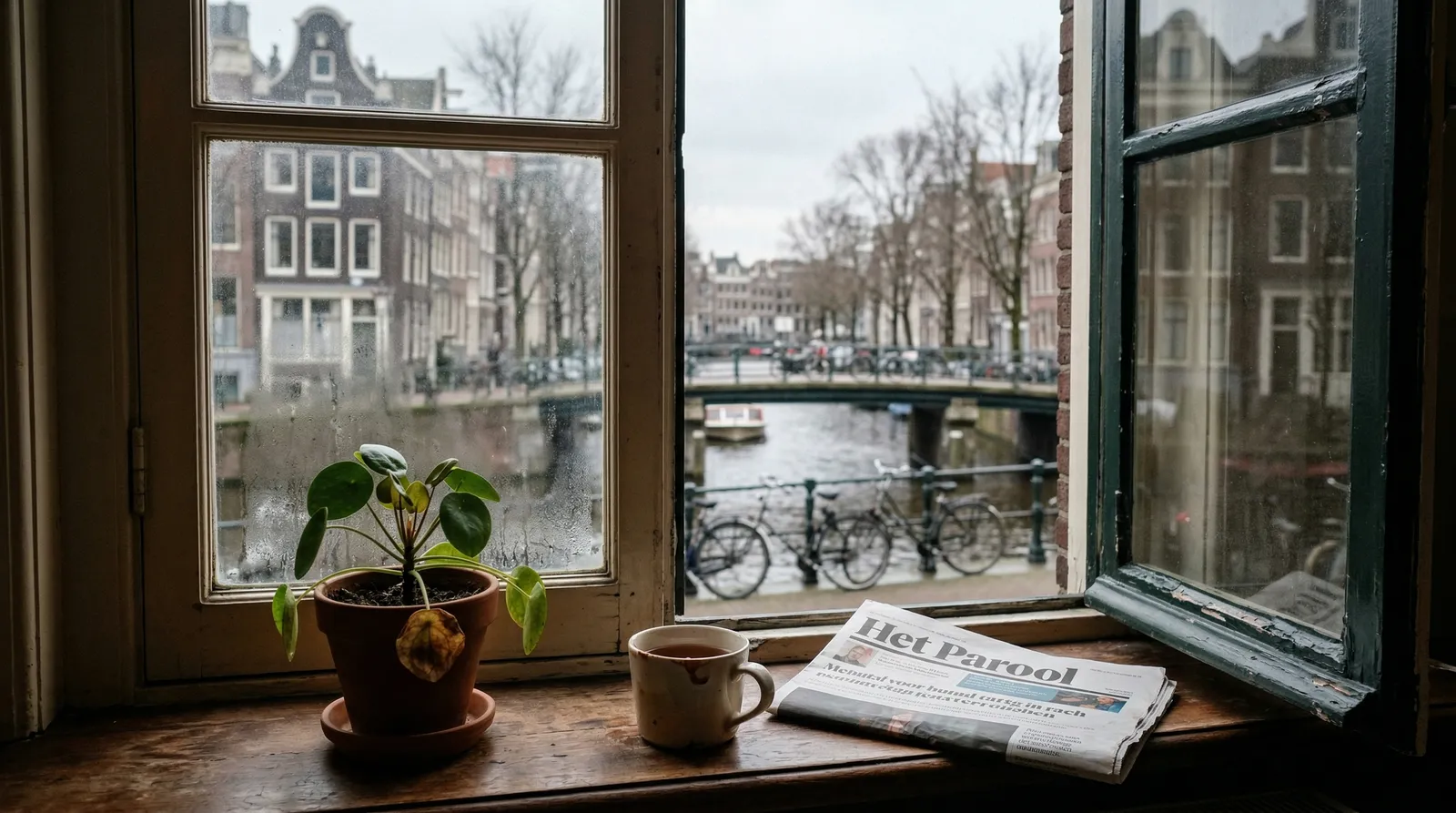
A few things worth understanding about the current wave:
Decriminalization is not legalisation. Most of the 100+ bills are not creating regulated markets. They're removing criminal penalties, funding research, or creating narrow therapeutic frameworks. Oregon's model — where you can access psilocybin in a licensed facility with a trained facilitator — is closer to a medical model than a consumer one. Nobody's opening psilocybin coffeeshops in Portland (yet).
Therapeutic access is the gateway. The political strategy is deliberate: start with the hardest cases (veterans with PTSD, terminal cancer patients with existential anxiety), demonstrate safety and efficacy, then expand access. It's the same path cannabis took, just compressed into a shorter timeline because the clinical evidence is stronger.
Education matters more than ever. As access expands, so does the need for accurate, honest information about these substances. That's been our mission since 1999 — not selling a lifestyle, not pushing products, but making sure people have the knowledge they need to make informed decisions. Our grow kit guides and wiki articles exist because understanding what you're working with is the single most important variable in any psychedelic experience.
From Our Counter
The question we get most from American customers: "When will this be available in my state?" Our honest answer: faster than you think, slower than you'd like. But the direction is clear. And in the meantime, Amsterdam is still here.
One hundred bills in thirty-five states. This is the psychedelic renaissance — not as an aspiration, but as a measurable legislative reality. The science is in, the public is on board, and the policy is catching up. Whether you're following this from Colorado, California, or an Amsterdam living room, the trajectory is unmistakable.
Browse our smartshop
Browse selectionLast updated: 8 April 2026
Questions fréquentes
3 questionsWhich US states have legalised psilocybin?
What's the difference between decriminalization and legalisation?
Can you buy magic truffles in Europe?
À propos de cet article


Joshua Askew serves as Editorial Director for Azarius wiki content. He is Managing Director at Yuqo, a content agency specialising in cannabis, psychedelics and ethnobotanical editorial work across multiple languages. Th
Cet article de blog a été rédigé avec l’aide de l’IA et relu par Joshua Askew, Managing Director at Yuqo. Supervision éditoriale par Adam Parsons.
Dernière relecture le 23 avril 2026