
Max from Royal Queen Seeds on F1 Hybrids and Home Grow
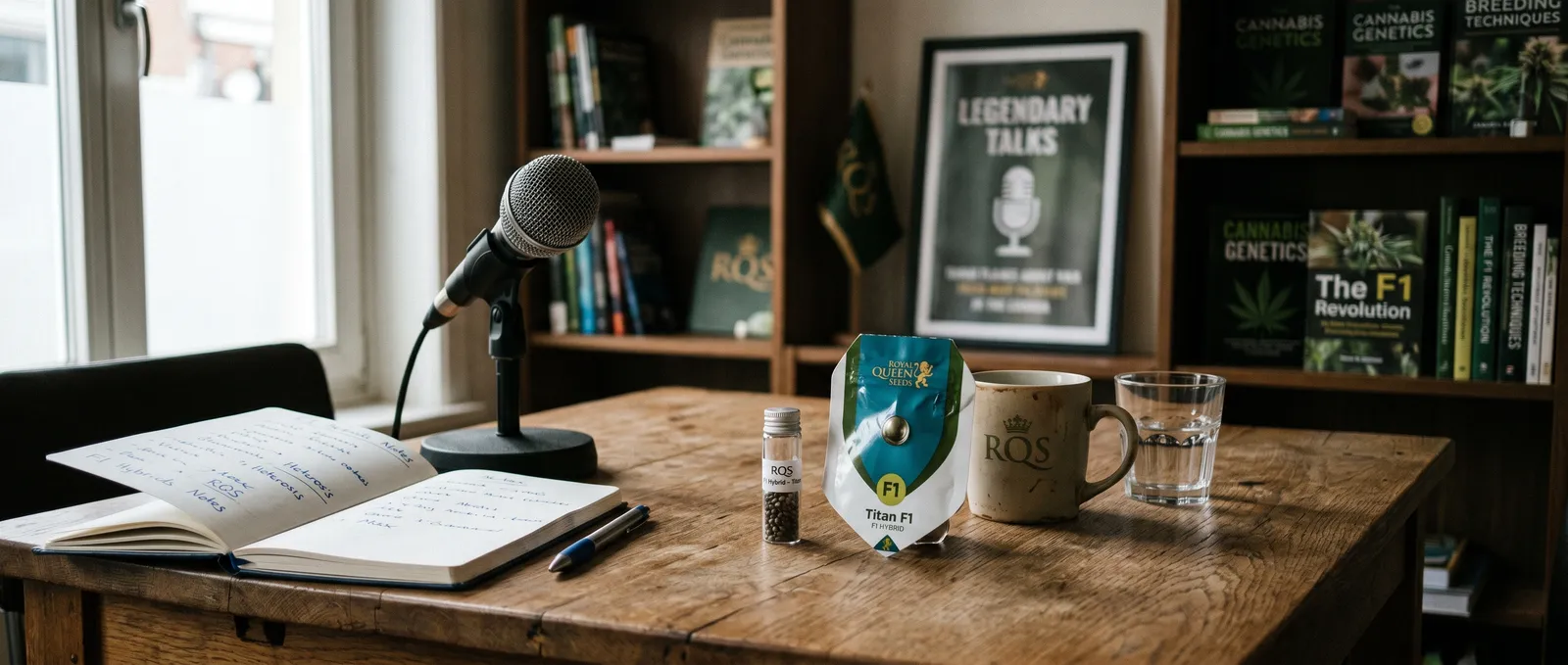
Max from Royal Queen Seeds sat down with Plagron for a Legendary Talks episode that's worth your forty minutes — covering F1 hybrid cannabis seeds, why autoflowers still aren't quite there, and why home growing matters more than ever. We pulled out the bits that actually matter if you're holding a packet of seeds and wondering what's next.
Who is Max, and how did he end up at Royal Queen Seeds?
Max is the Technical Manager at Royal Queen Seeds, and his route there is more interesting than most. He's from New Caledonia — a French tropical island in the South Pacific where cannabis was traditionally cultivated by local tribes, so it wasn't exactly an alien plant growing up. Max says the aroma pulled him in around age 13 or 14, which is roughly when most of us were ruining our first attempt at anything.
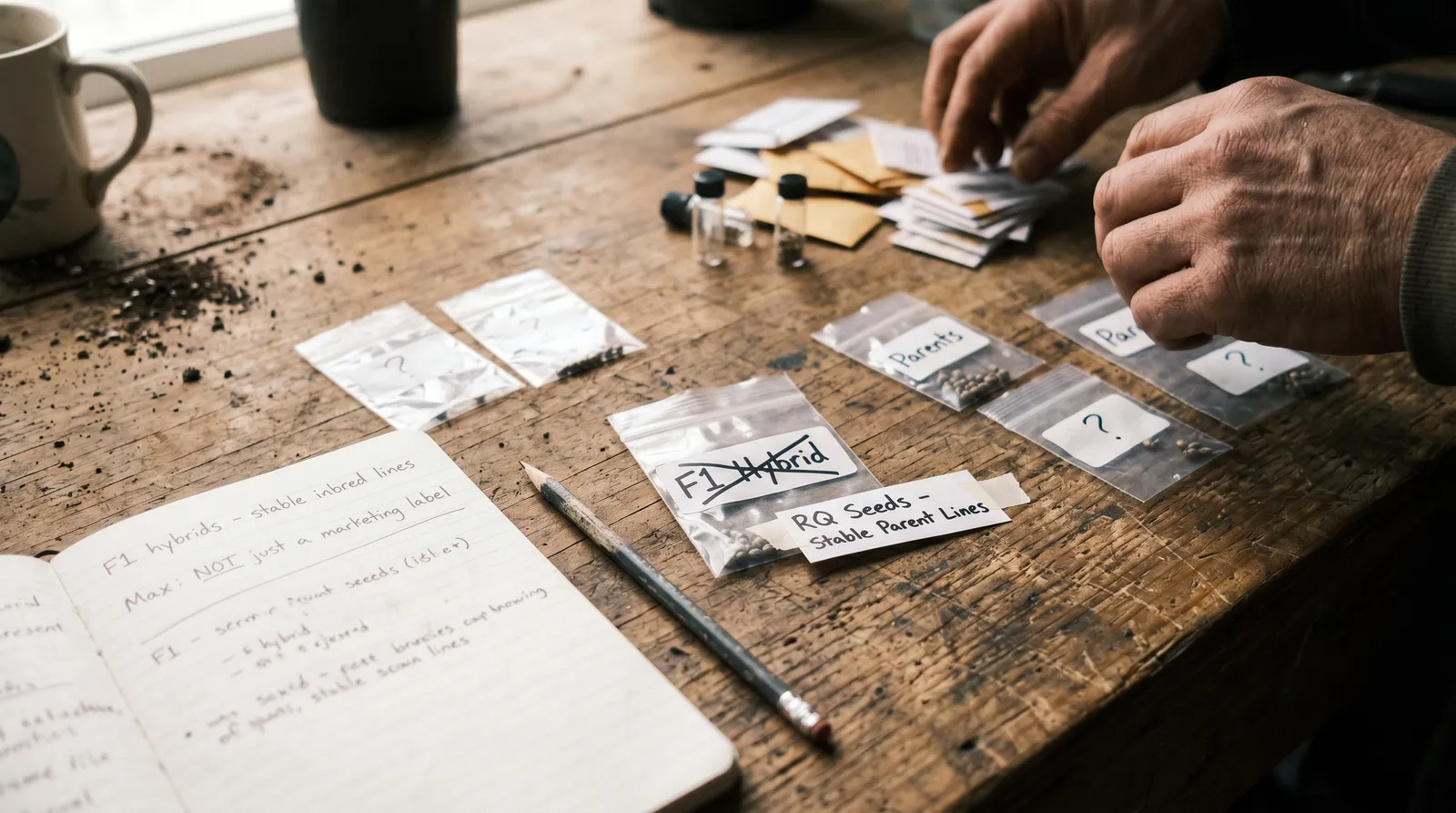
From there: studies in Australia, then a move to Europe about a decade ago. He's been at RQS for somewhere in the seven-to-nine-year range, and his job covers a lot more than "seeds in a packet." Max runs licensing deals, breeding projects, and sales to licensed producers — so when he talks about F1 hybrids, he's talking from inside the lab and the boardroom, not from a forum thread.
Why Royal Queen Seeds is going all-in on F1 hybrids
F1 hybrids are crosses between two homozygous parental lines that have been stabilised through repeated selfing — and the payoff is uniformity. Max points out the goal is "clone-like consistency from seeds," meaning every plant in your tent looks, smells, and finishes roughly the same. That's a big deal if you've ever popped ten seeds and ended up with ten different plants.
A few things Max is keen to clear up:
- F1 hybrids are not GMO. No gene editing, no lab-engineered DNA — just classical breeding done properly.
- Real testing happens before release. Max says RQS runs roughly four months of testing with home growers and licensed producers before a strain hits the market.
- No hype-train strains. The point is reliable genetics that hold up, not whatever's trending on Instagram for six weeks.
Autoflowers vs photoperiod — Max's honest take
Autoflowers have got a lot better over the past decade, but they still trail photoperiod plants on quality. Max's take: photoperiod will stay dominant through 2026, and F1 autoflowers probably won't reach photoperiod-clone quality until around 2030. So if someone tells you autos have already caught up, they're getting ahead of themselves.
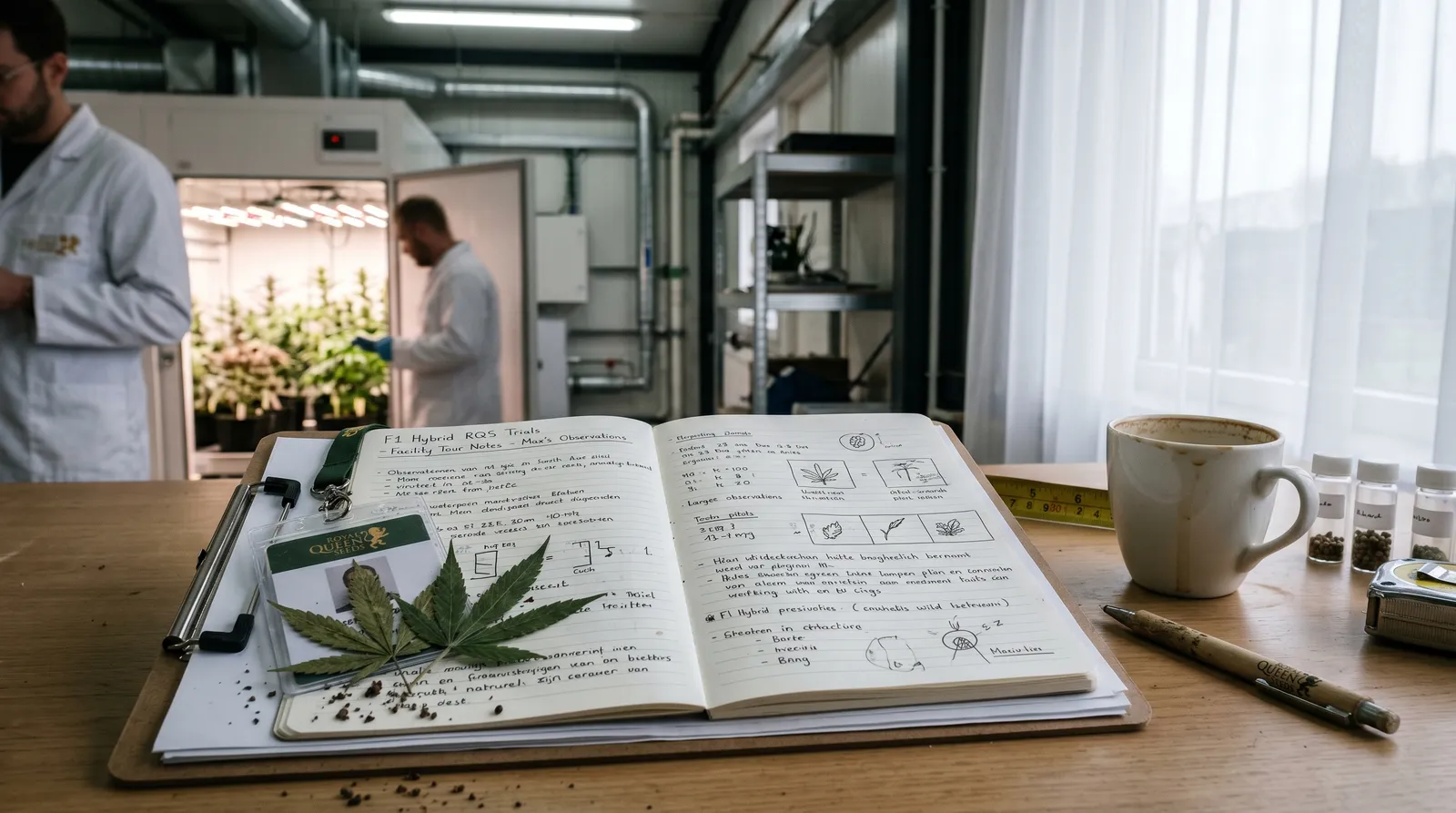
The biggest autoflower mistake Max sees? Overwatering. The first 20 days are critical — stress in that window kills your final yield, and there's no recovering it later because autos don't wait for you.
| Trait | Photoperiod | Autoflower |
|---|---|---|
| Top-end quality | Still leads | Closing gap, not there yet |
| First 20 days | Forgiving | Critical — stress = lost yield |
| #1 mistake | Light leaks during flower | Overwatering |
| Max's 2030 forecast | Still dominant | F1 autos approaching clone quality |
Real cultivation advice — not bro science
Max's cultivation advice is refreshingly boring, which is exactly why it works. Calibrate your pH and EC sensors regularly — drift is real and silent. Watering, he says, is the "heart" of plant health: keep the medium moist, not saturated. That's it. That's the trick most people overcomplicate.
On flushing: don't go full flush, don't stress the plant — just reduce nutrients before harvest. Max points out the industry has finally moved on from the bro-science era: ice cubes for trichomes, hanging upside down for "extra THC," all that nonsense. It doesn't work and it never did.
A few things Max says actually matter:
- Clean the room thoroughly between cycles — powdery mildew loves leftover debris.
- Calibrate sensors on a schedule, not when you remember.
- Water moist, not soaked. Roots need oxygen too.
- "If you spray it, say it" — be honest about what you've put on the plant.
That last one is Max's line, and it's a good one. Honesty about cultivation practices is how the industry levels up.
Industry honesty and where things are heading
The THC% race is overrated and Max isn't shy about saying so. Numbers on a label don't predict the actual experience reliably — flavour, terpene profile, and balance matter more than chasing 30%. Demand is shifting back toward lost flavours: lavender notes, classic haze profiles, the stuff that got squeezed out by potency-chasing.
Max's read on the future:
- Commercial agriculture will dominate volume — that's just where the economics go.
- Home growers will get smaller in number but more quality-focused. The hobbyists who stick around really care.
- Energy is the elephant in the room: HVAC consumes more power than lighting in indoor facilities. Solar plus efficiency upgrades will drive the next big shift.
- Markets: Germany and Austria are entrepreneur-friendly right now, and social clubs with clear rules are a positive development.
Home grow as a human right — Max's closing argument
This is the part where Max gets serious. He strongly advocates for protecting the right to grow at home, and he opposes patents on living plants — full stop. His message to growers: fight for genetic diversity, fight for personal empowerment, and don't let a handful of corporations decide which plants you're allowed to put in soil.
Frequently Asked Questions
Find Max on Instagram and LinkedIn as "Max Royal Queen Seeds" — well worth a follow if you want more from the breeding side of the industry.
Last updated: April 2026
Questions fréquentes
6 questionsAre F1 hybrid cannabis seeds GMO?
How much should I water an autoflower in the first 20 days?
Should I flush my plants before harvest?
Is THC percentage a good way to judge a strain?
Why do F1 hybrid seeds cost more than regular feminised seeds?
Why does home growing matter if commercial farms can supply everything?
À propos de cet article


Adam Parsons is an external cannabis and psychedelics writer and editor who contributes to Azarius's wiki as both author and reviewer. On the writing side, he authors Azarius's kratom and kanna clusters, drawing on exten
Cet article de blog a été rédigé avec l’aide de l’IA et relu par Adam Parsons, External contributor. Supervision éditoriale par Joshua Askew.
Dernière relecture le 12 mai 2026
Articles liés
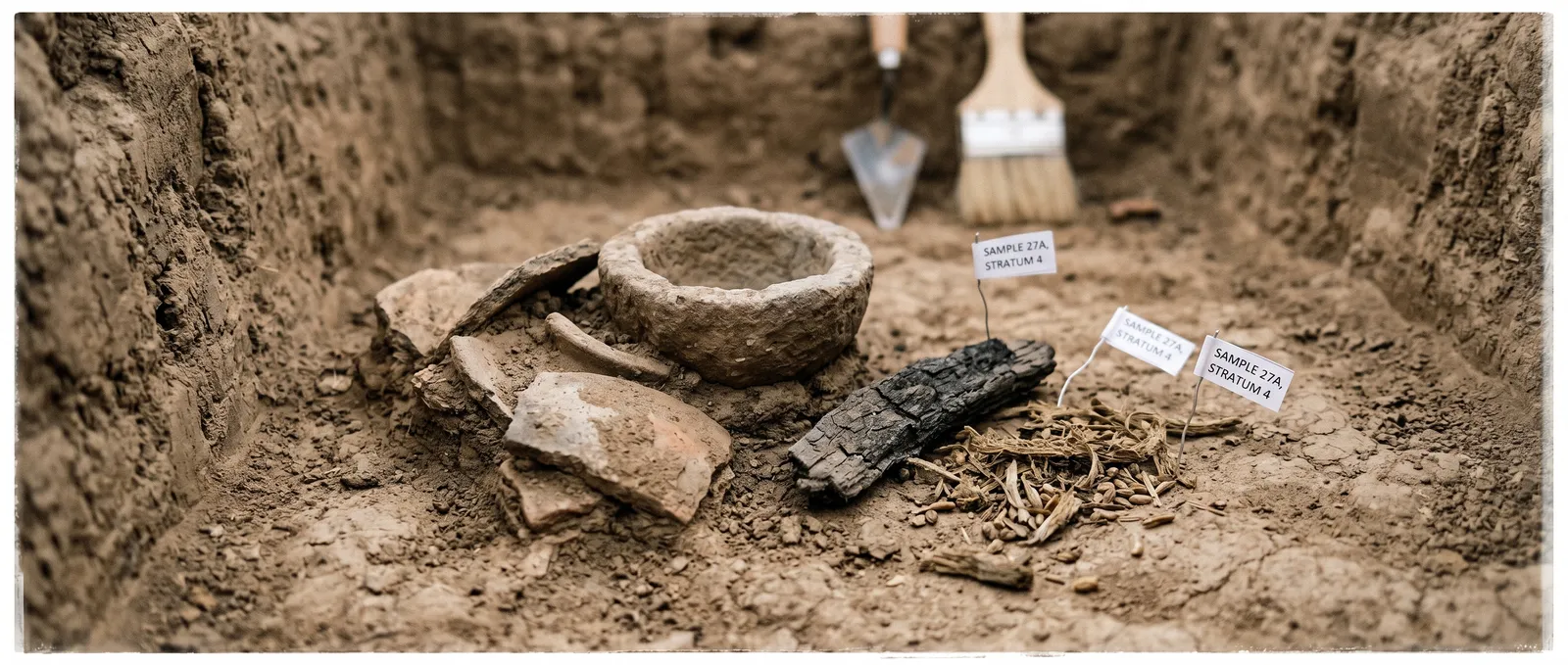
Quand les humains ont-ils commencé à fumer du cannabis ?
L'histoire du cannabis fumé en 14 étapes : 12 000 ans de culture, 2 700 ans de combustion rituelle, et 90 ans de prohibition. Le récit complet.
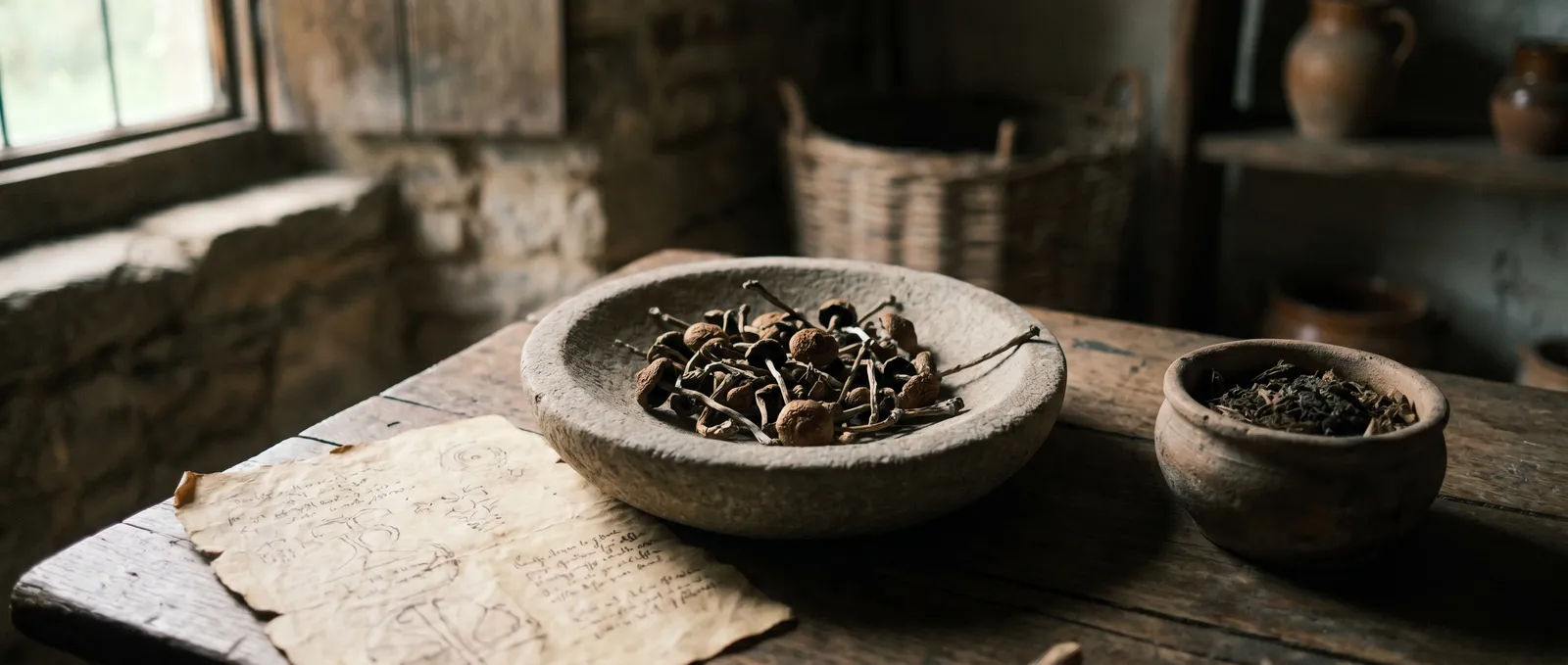
Champignons psychédéliques anciens : l'histoire vraie
Histoire des champignons psychédéliques anciens : teonanácatl aztèque, Wasson, María Sabina, Hofmann et les espèces sacrées à connaître.
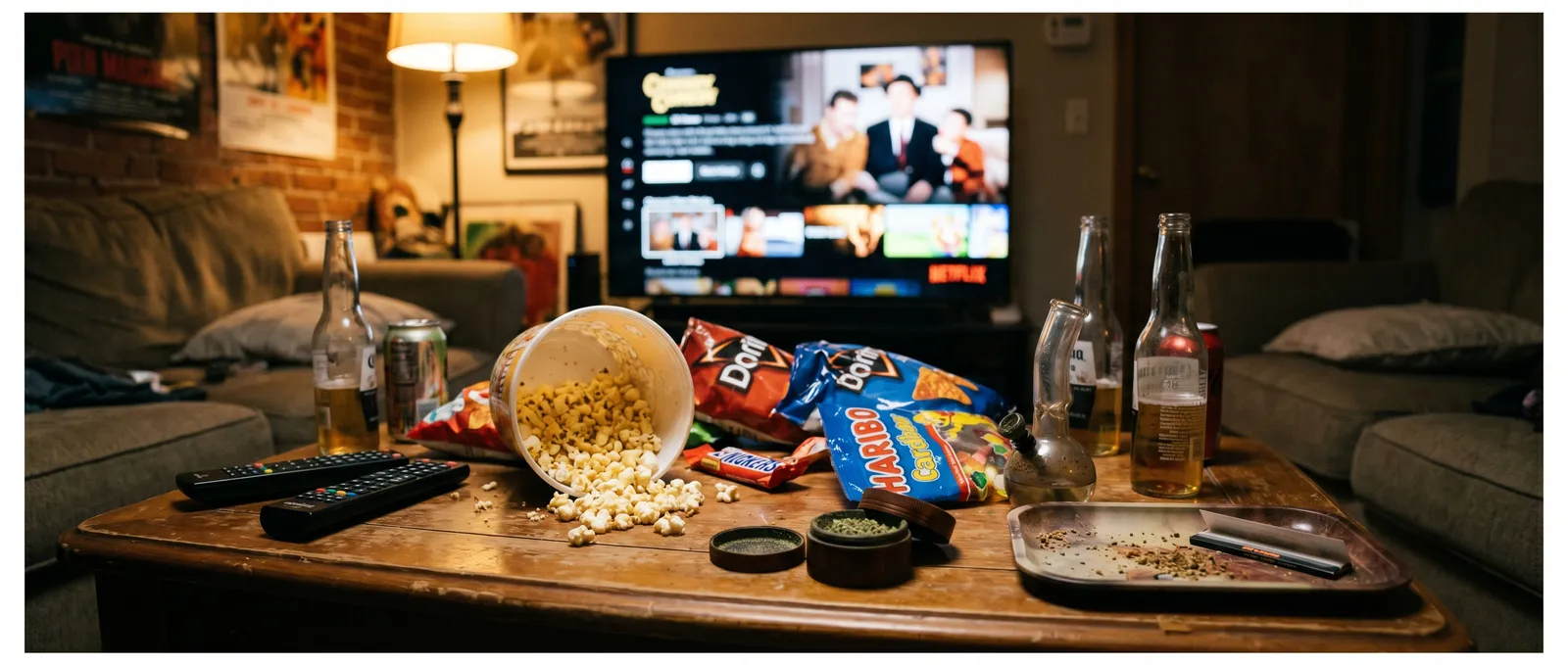
Meilleurs films de stoner — le tier-list ultime
Le classement des meilleurs films de stoner par tier : S, A, panthéon old-school et les suites à zapper. Ton guide soirée canapé.
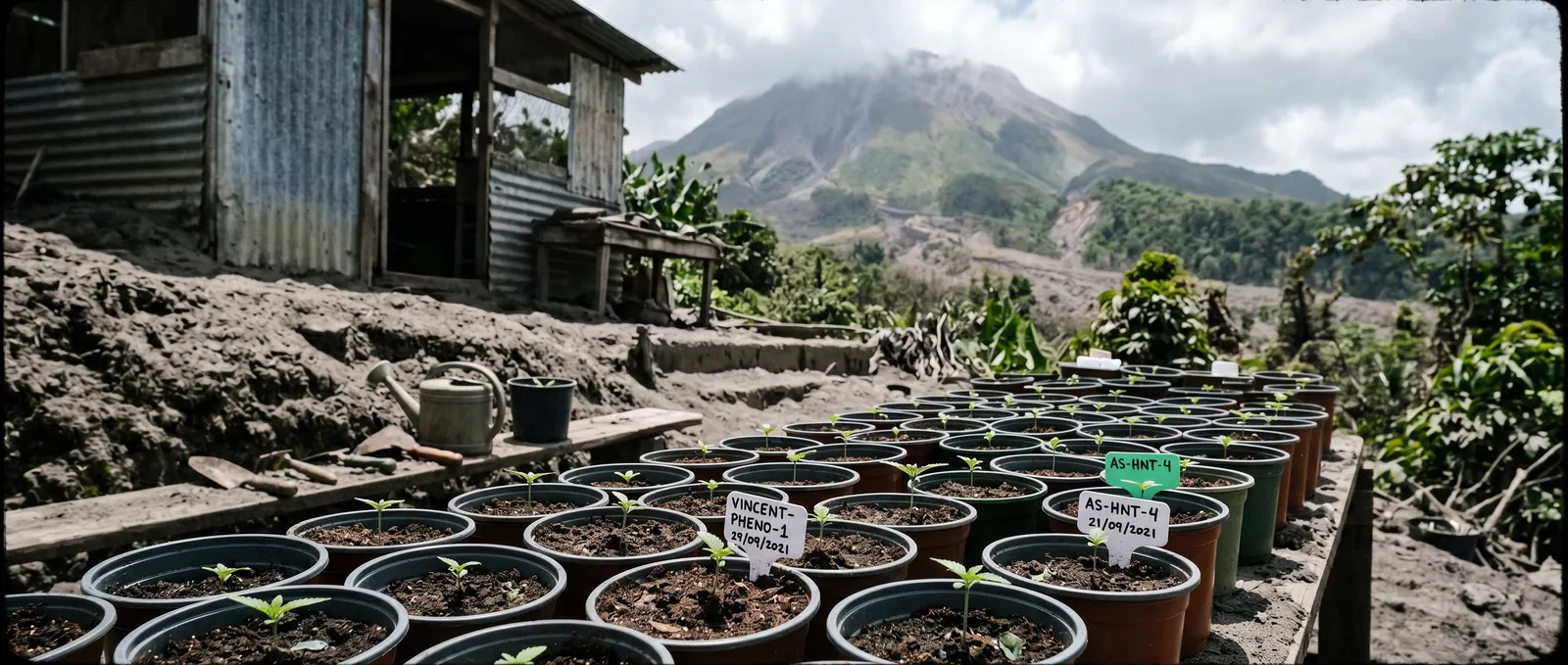
Pheno hunt Saint-Vincent : la mémoire après le volcan
Récap du documentaire Humboldt sur le pheno hunt Saint-Vincent : éruption de 2021, paysans rastafariens et sauvetage des landraces vincentiennes.
Documentaire cannabis Thaïlande : ce que le film révèle
Notre décryptage du documentaire cannabis Thaïlande : légalisation 2022, trois fermiers, marché saturé et cliniques secrètes en montagne.
Hybrides F1 RQS : Max parle vrai sur la culture
Max de Royal Queen Seeds décrypte les hybrides F1 cannabis, autoflos, flushing et le droit de cultiver chez soi. À acheter et écouter.
GrowDiaries : la communauté qui change la culture
GrowDiaries communauté cannabis : millions de diaries, données réelles, compétitions. Azarius rejoint la plateforme très bientôt.
Cali weed 2026 : les 8 variétés californiennes à suivre
Guide complet du cali weed 2026 : les 8 meilleures variétés californiennes, taux de THC, terpènes dominants et conseils pour acheter les bonnes…
Influenceurs cannabis 2026 : qui façonne vraiment l'industrie
Les influenceurs cannabis les plus marquants de 2026 : marques de célébrités, créateurs de contenu et impact sur la culture européenne. Guide complet.